

-
×
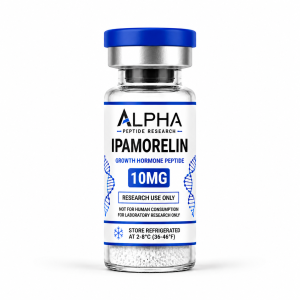 Ipamorelin 10mg
1 × $70.00
Ipamorelin 10mg
1 × $70.00 -
×
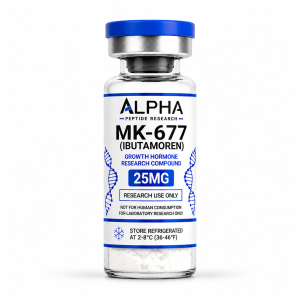 MK-677 (Ibutamoren) 25mg
1 × $60.00
MK-677 (Ibutamoren) 25mg
1 × $60.00 -
×
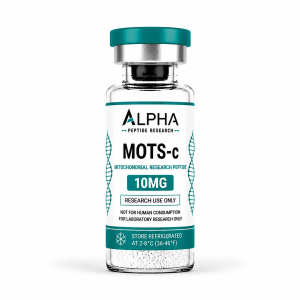 MOTS-c 10mg
1 × $69.00
MOTS-c 10mg
1 × $69.00 -
×
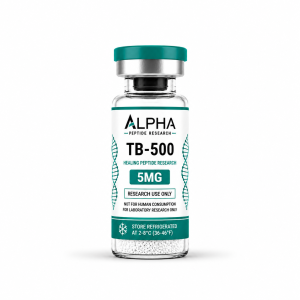 TB-500 5mg
1 × $55.00
TB-500 5mg
1 × $55.00 -
×
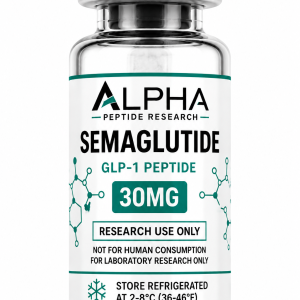 Semaglutide 30mg
1 × $100.00
Semaglutide 30mg
1 × $100.00 -
×
 Pinealon 100mg
1 × $150.00
Pinealon 100mg
1 × $150.00 -
×
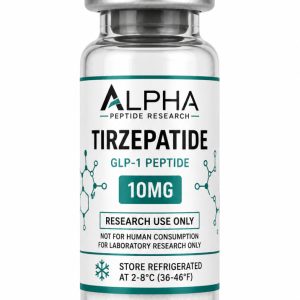 Tirzepatide 10mg
1 × $89.00
Tirzepatide 10mg
1 × $89.00 -
×
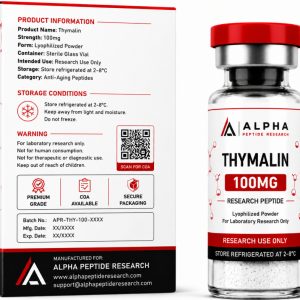 Thymalin 100mg
2 × $150.00
Thymalin 100mg
2 × $150.00 -
×
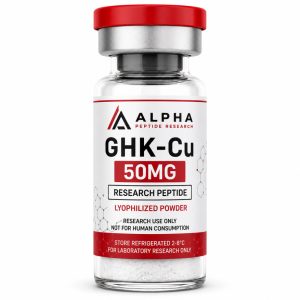 GHK-Cu 50mg
1 × $54.00
GHK-Cu 50mg
1 × $54.00
Weight Management & Metabolic Health
Future of Peptide Weight Management Research: What Comes After GLP-1?
27
Jul
Jul
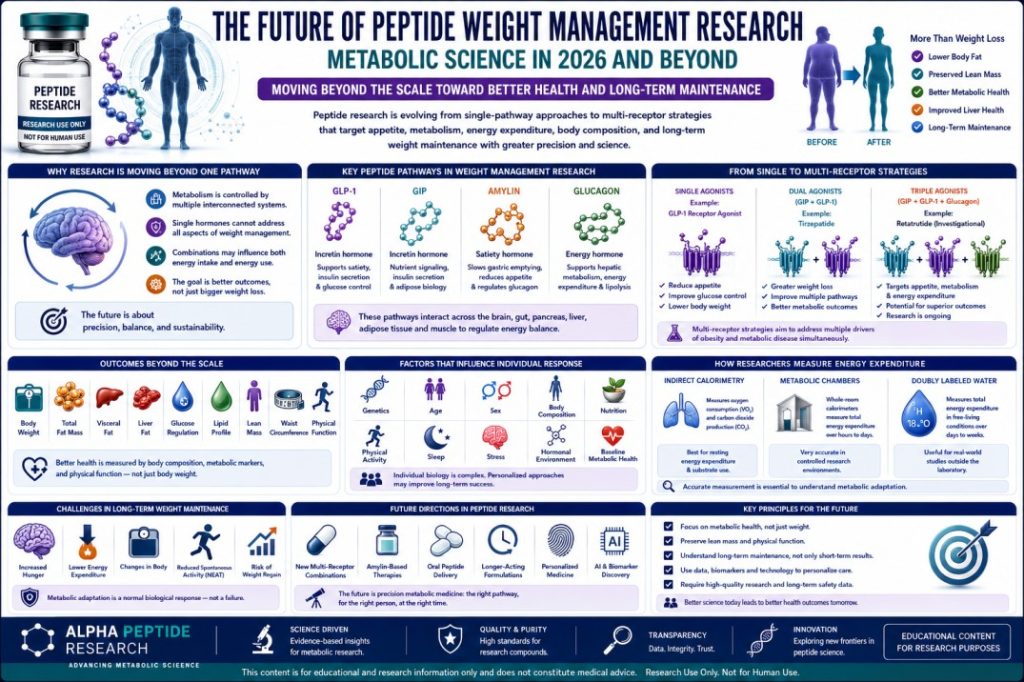
GLP-1 changed the direction of modern weight management research. However, metabolic science is already moving beyond a single receptor pathway.
Researchers now study combinations involving GIP, glucagon, and amylin. At the same time, scientists are looking beyond body weight toward body composition, visceral fat, liver health, energy expenditure, and long-term weight maintenance.
Consequently, peptide weight management research is entering a new phase.
The central question is no longer simply whether a metabolic pathway can influence weight. Instead, researchers want to understand how multiple biological systems interact.
Furthermore, future studies may focus on preserving lean tissue, improving metabolic health, understanding individual responses, and maintaining outcomes over longer periods.
In 2026, the future of metabolic peptide science is becoming broader, more sophisticated, and increasingly focused on what happens beyond the scale.
Why GLP-1 Became So Important
GLP-1 is an incretin hormone involved in nutrient-related signaling.
Among its biological roles, researchers study its effects on glucose-dependent insulin secretion, appetite, gastric emptying, and energy intake.
For years, GLP-1 receptor research focused heavily on glucose regulation.
However, the field expanded substantially as researchers investigated weight management outcomes.
As a result, GLP-1 became one of the most widely discussed pathways in metabolic science.
Its importance also created another development.
Scientists began asking whether combining GLP-1 with other pathways could produce different metabolic responses.
That question helped accelerate multi-receptor research.
Why Metabolic Research Is Moving Beyond One Pathway
Human metabolism involves many interacting systems.
The gastrointestinal tract communicates with the brain. Meanwhile, the pancreas, liver, adipose tissue, and skeletal muscle contribute to energy regulation.
Hormones add another layer of communication.
Therefore, one receptor cannot explain every aspect of metabolic biology.
Modern peptide research increasingly investigates several pathways, including:
GLP-1
GIP
Glucagon
Amylin
Insulin-related signaling
Appetite-regulating pathways
Adipose tissue signals
Energy expenditure mechanisms
Consequently, future weight management research may rely more heavily on understanding combinations of signals.
The Rise of Dual Agonist Research
Dual agonism represents one major step beyond single-receptor research.
Tirzepatide, for example, activates GIP and GLP-1 receptors.
This approach allows scientists to investigate two incretin pathways within one pharmacological strategy.
Therefore, researchers can study outcomes related to glucose regulation, body weight, appetite, and metabolic health.
However, the scientific importance extends further.
Dual agonism demonstrated that metabolic research does not need to focus on one receptor at a time.
Instead, coordinated signaling can become the research strategy itself.
GIP and the Future of Incretin Science
GIP stands for glucose-dependent insulinotropic polypeptide.
Like GLP-1, it belongs to the incretin system. Nevertheless, the two hormones act through different receptors and have distinct biological characteristics.
GIP research includes glucose-dependent insulin secretion, nutrient metabolism, adipose tissue signaling, and energy balance.
Consequently, combining GIP with GLP-1 gives researchers access to complementary mechanisms.
Tirzepatide helped bring this concept into mainstream metabolic science.
Future research may now investigate how GIP contributes to long-term outcomes, body composition, adipose tissue biology, and individual metabolic response.
Triple Agonists Expand the Landscape
If two pathways can be combined, researchers can also ask what happens when a third pathway is added.
That question has helped drive triple agonist research.
Retatrutide is an investigational compound designed to activate GIP, GLP-1, and glucagon receptors.
Therefore, it combines two incretin-related pathways with glucagon receptor signaling.
This creates several research opportunities.
Scientists can investigate appetite and energy intake. Meanwhile, glucagon receptor activity introduces additional questions involving hepatic metabolism, lipid biology, and energy expenditure.
Consequently, triple agonism represents one of the most important areas of next-generation metabolic research.
However, retatrutide remains investigational in 2026.
Why Glucagon Research Matters
Glucagon is commonly associated with maintaining glucose availability during fasting.
However, glucagon biology extends beyond glucose.
Researchers also investigate its role in lipid metabolism, amino acid metabolism, liver function, and energy expenditure.
Therefore, glucagon receptor activity adds a different dimension to multi-receptor research.
GLP-1 research has generated major interest in appetite and energy intake. In contrast, glucagon research creates additional questions about energy use and substrate metabolism.
Together, these pathways may help scientists investigate both sides of energy balance.
Amylin Could Become Increasingly Important
Amylin represents another promising area of metabolic peptide science.
Pancreatic beta cells release amylin alongside insulin.
Researchers study its role in satiety, meal-related signaling, gastric emptying, and glucagon regulation.
Therefore, amylin provides a pathway that differs from both GIP and GLP-1.
Cagrilintide has increased interest in long-acting amylin-related research.
Meanwhile, CagriSema combines cagrilintide with semaglutide, creating a research strategy involving amylin and GLP-1 pathways.
Consequently, future metabolic science may include both multi-receptor molecules and combinations of complementary compounds.
The Growing Interest in Single-Molecule Combinations
Combination research does not always require separate compounds.
Scientists are also investigating molecules designed to activate more than one receptor system.
Amycretin provides an example of this broader direction because it is being studied for GLP-1 and amylin receptor agonism.
This strategy creates an interesting research question.
Can one molecule coordinate complementary metabolic pathways effectively?
Researchers must investigate pharmacokinetics, receptor activity, dose relationships, tolerability, and metabolic outcomes.
Therefore, single-molecule multi-pathway research could become an increasingly important part of the field.
The Future Is About More Than Weight Loss
Body weight remains an important measurement.
Nevertheless, a scale cannot reveal which tissues changed.
For this reason, metabolic research is increasingly moving toward body composition.
Scientists want to understand changes in:
Total fat mass
Visceral adiposity
Lean tissue
Skeletal muscle
Liver fat
Waist circumference
Regional fat distribution
Physical function
Consequently, future peptide studies may place much greater emphasis on the quality of weight change.
Preserving Lean Tissue Could Become a Major Goal
Large changes in body weight can involve both fat and lean tissue.
Therefore, researchers increasingly study lean mass during weight management.
Skeletal muscle deserves particular attention because it contributes to physical function, glucose metabolism, and energy expenditure.
Future research may investigate how peptide-based metabolic strategies interact with resistance training, nutrition, protein intake, age, and baseline muscle status.
Furthermore, scientists may measure strength and physical performance alongside body composition.
As a result, preserving function could become as important as reducing excess adiposity.
Visceral Fat Will Remain an Important Endpoint
Not all adipose tissue is identical.
Visceral fat surrounds internal organs within the abdominal cavity.
Excess visceral adiposity is associated with several markers of metabolic dysfunction.
Therefore, future studies will likely continue to examine visceral fat separately from total body fat.
Advanced imaging can help researchers quantify these changes.
Furthermore, visceral adiposity can be studied alongside insulin sensitivity, lipid markers, waist circumference, and liver fat.
Together, these outcomes provide a more complete picture of metabolic health.
Liver Health Is Becoming Central to Metabolic Research
The liver plays a major role in glucose and lipid metabolism.
Consequently, liver-related outcomes are becoming increasingly relevant in weight management research.
Scientists may examine liver fat, hepatic biomarkers, insulin sensitivity, and other metabolic measurements.
Moreover, visceral adiposity and liver fat often appear within the same broader research landscape.
Future peptide studies may therefore evaluate hepatic outcomes alongside weight and body composition.
This approach helps move the field beyond cosmetic interpretations of weight reduction.
Energy Expenditure Could Shape Future Research
Weight regulation depends on both energy intake and energy expenditure.
GLP-1 and amylin research often attracts attention because of appetite and satiety.
However, future strategies may increasingly investigate pathways related to energy use.
Glucagon receptor research is particularly relevant here.
Scientists can examine resting energy expenditure, substrate oxidation, and metabolic adaptation.
Furthermore, methods such as indirect calorimetry and doubly labeled water can provide detailed information.
Consequently, energy expenditure may become a more prominent endpoint in multi-receptor studies.
Metabolic Adaptation Remains a Major Challenge
Initial weight reduction does not answer every scientific question.
Researchers also need to understand what happens afterward.
As body weight decreases, energy requirements may decline. Meanwhile, appetite signals and body composition can change.
Therefore, long-term maintenance presents a distinct biological challenge.
Future peptide weight management research may focus increasingly on:
Weight maintenance
Appetite after weight reduction
Energy expenditure
Body composition
Treatment continuation
Treatment withdrawal
Weight regain
Metabolic adaptation
Long-term safety
These questions could define the next stage of the field.
What Happens When Treatment Stops?
Treatment withdrawal has become an important research topic.
Studies involving metabolic interventions have shown that weight regain can occur after treatment ends.
Therefore, researchers want to understand why.
Appetite signaling may change. In addition, the energy requirements of a smaller body may remain lower than before weight reduction.
Behavioral and environmental factors can also contribute.
Consequently, future research needs to examine treatment withdrawal rather than focusing only on active treatment periods.
Long-term follow-up will be essential.
Weight Maintenance May Become the New Frontier
Early metabolic studies often emphasize how much weight changes during treatment.
However, maintaining outcomes may ultimately become just as important.
Researchers can ask whether different receptor strategies produce different maintenance patterns.
Furthermore, scientists may investigate whether lower-intensity maintenance approaches can support long-term outcomes.
Nutrition, exercise, sleep, and behavioral factors may also interact with pharmacological strategies.
Therefore, future research could move toward integrated maintenance models.
Personalized Metabolic Research
Average study results provide valuable information. Nevertheless, individuals can respond very differently.
Genetics may contribute to these differences.
Age, sex, baseline body composition, metabolic health, sleep, diet, physical activity, and hormonal status can also matter.
Consequently, scientists increasingly want to identify response patterns.
Future studies may use biomarkers, imaging, wearable technology, and other data to understand these differences.
Ultimately, metabolic research could become more personalized.
Biomarkers Could Help Predict Response
A biomarker is a measurable biological characteristic that provides information about a physiological process.
In metabolic research, biomarkers may include glucose-related measurements, lipids, hormones, inflammatory signals, and other laboratory data.
Researchers may eventually combine these measurements with body composition and clinical information.
As a result, scientists could identify patterns associated with different metabolic responses.
However, predictive biomarkers require strong validation.
Therefore, future research must demonstrate that a marker provides reliable information across relevant populations.
Wearable Technology Could Add New Data
Laboratory measurements provide detailed information, but daily life also matters.
Wearable devices can collect information about movement, sleep, heart rate, and other variables.
Consequently, future metabolic studies may combine clinical data with continuous real-world measurements.
For example, researchers could investigate how physical activity changes during weight reduction.
Sleep patterns could also be tracked.
Furthermore, wearable data may help scientists understand individual variability.
However, device accuracy and data interpretation remain important considerations.
Artificial Intelligence and Metabolic Research
As metabolic datasets become larger, researchers need better ways to analyze complex information.
Artificial intelligence and machine learning may contribute to this process.
For instance, computational models could examine relationships among biomarkers, body composition, activity, sleep, and treatment response.
Researchers might also use these tools to identify patterns that are difficult to detect through simpler analyses.
However, predictive models need high-quality data and external validation.
Therefore, AI should complement rigorous research rather than replace it.
Oral Metabolic Peptide Research
Delivery method represents another important frontier.
Many peptide-based metabolic compounds have traditionally required injection because peptides can be difficult to deliver orally.
The digestive system can degrade peptide molecules before sufficient amounts reach circulation.
However, pharmaceutical technology continues to evolve.
Researchers are investigating oral formulations and new delivery strategies.
Consequently, future metabolic research may increasingly compare injectable and oral approaches.
Convenience, pharmacokinetics, adherence, and long-term use could all become important endpoints.
Longer-Acting Compounds
Dosing frequency can influence the practical characteristics of a metabolic intervention.
Therefore, researchers are also investigating longer-acting approaches.
A compound with extended activity could potentially require less frequent administration.
However, longer duration creates additional scientific questions.
Researchers need to understand pharmacokinetics, receptor exposure, tolerability, and what happens if adverse effects occur.
Consequently, longer action is not automatically better.
Instead, dosing frequency must be evaluated within the broader balance of efficacy, safety, and usability.
Combination Research Beyond Current Pathways
Current attention focuses heavily on GLP-1, GIP, glucagon, and amylin.
However, metabolic biology includes many additional signaling systems.
Future studies may investigate new combinations involving appetite, adipose tissue, energy expenditure, muscle biology, or cellular metabolism.
Some strategies may combine pharmacological pathways.
Others may pair metabolic compounds with nutritional or exercise interventions.
Consequently, the next generation of research could become much more diverse than today’s landscape.
Safety Will Remain Essential
Scientific excitement should never replace careful safety evaluation.
Multi-receptor strategies create complex biological effects.
Therefore, researchers need to examine adverse events, dose relationships, tolerability, and long-term outcomes.
Clinical trials also need sufficient duration to identify effects that may not appear immediately.
Furthermore, individual risk can differ across populations.
Consequently, safety research must evolve alongside efficacy research.
Research Quality Matters More as Interest Grows
Public interest in metabolic peptides has expanded rapidly.
Unfortunately, online claims can move faster than scientific evidence.
Therefore, readers and researchers should distinguish among:
Peer-reviewed evidence
Registered clinical trials
Regulatory information
Preclinical research
Company announcements
Unverified claims
Investigational compounds should also be clearly distinguished from approved medicines.
Moreover, laboratory research requires appropriate analytical standards, compound identification, storage, documentation, and experimental controls.
Scientific credibility depends on these distinctions.
The Role of Long-Term Clinical Trials
Short-term trials can answer important questions.
However, metabolic health develops over years.
Therefore, longer studies remain essential.
Researchers need data on weight maintenance, body composition, metabolic biomarkers, safety, and treatment persistence.
Furthermore, long-term studies can reveal whether early effects remain stable.
Treatment withdrawal and reinitiation may also become important research topics.
Consequently, the next generation of metabolic science will require patience as well as innovation.
What Could Peptide Weight Management Research Look Like by 2030?
By the end of the decade, metabolic research may look very different.
Multi-receptor strategies could become more diverse.
Amylin-related science may expand further. Meanwhile, new delivery technologies could change how peptide pathways are studied.
Researchers may also use advanced imaging, biomarkers, wearable data, and computational analysis to characterize individual responses.
Body composition could become a routine endpoint rather than a secondary measurement.
Furthermore, long-term maintenance may receive greater attention than short-term weight change.
Ultimately, the field may shift from asking, “How much weight changed?” to asking, “What changed metabolically, and did those changes last?”
Frequently Asked Questions
What is peptide weight management research?
Peptide weight management research investigates peptide hormones and receptor pathways involved in appetite, glucose regulation, energy balance, adipose tissue, and other aspects of metabolism.
Is GLP-1 the only peptide pathway studied for weight management?
No. Researchers also study GIP, glucagon, amylin, and other metabolic pathways.
What is a dual agonist?
A dual agonist activates two receptor pathways. For example, tirzepatide activates GIP and GLP-1 receptors.
What is a triple agonist?
A triple agonist targets three receptor pathways. Investigational retatrutide is designed to activate GIP, GLP-1, and glucagon receptors.
Why is amylin important?
Amylin participates in satiety, meal-related signaling, gastric emptying, and glucagon regulation. Therefore, it has become an important area of metabolic research.
Why does body composition matter?
Body composition shows whether changes involve fat, lean tissue, or other body compartments. Consequently, it provides more information than total body weight alone.
Why are researchers interested in visceral fat?
Visceral adiposity is associated with several markers of metabolic dysfunction. Therefore, researchers often evaluate it separately from total fat mass.
Will future metabolic research focus on muscle?
Likely yes. Skeletal muscle contributes to physical function, glucose metabolism, and energy expenditure. As a result, lean tissue preservation is becoming increasingly important.
Why is weight maintenance important?
Initial weight reduction does not guarantee long-term maintenance. Therefore, researchers need to understand appetite, energy expenditure, body composition, and weight regain over time.
Could metabolic peptide research become personalized?
Potentially. Researchers are studying biomarkers, body composition, genetics, lifestyle variables, and other factors that may help explain individual responses.
Are oral metabolic peptides being researched?
Yes. Oral delivery and other administration technologies remain important research areas because peptide molecules can be difficult to deliver through the gastrointestinal system.
What is the future of peptide weight management research?
Future research will likely emphasize multi-receptor pathways, body composition, lean tissue, metabolic health, maintenance, new delivery technologies, personalized response, and long-term outcomes.
Conclusion
Peptide weight management research is moving beyond the first generation of GLP-1 science.
GLP-1 remains an important pathway. However, GIP, glucagon, and amylin have expanded the research landscape.
Dual agonists demonstrated the potential of coordinated receptor signaling. Meanwhile, investigational triple agonists are pushing multi-receptor research further.
Amylin-related compounds have created another major research direction.
Yet the future is not simply about finding a compound that produces a larger change on the scale.
Researchers increasingly want to understand body composition, visceral adiposity, liver health, lean tissue, energy expenditure, and long-term maintenance.
Furthermore, individual responses may become increasingly important.
Biomarkers, imaging, wearable technology, and computational analysis could help scientists characterize those differences.
Consequently, the next generation of metabolic science may become more personalized and more comprehensive.
Ultimately, the most important question may not be how much weight changes.
Instead, researchers will ask how metabolic health changes, which tissues change, why individuals respond differently, and whether those outcomes last.
That shift could define peptide weight management research through the remainder of the decade.
Alpha Peptide Research follows emerging peptide and metabolic science to provide research-focused educational information about developments shaping modern biotechnology.
Research Disclaimer: This article is provided for educational and research information only. Discussion of peptide pathways, medicines, or investigational compounds does not constitute medical advice or imply regulatory approval. Investigational compounds should not be represented as approved therapies, and materials labeled for research use only are not intended for human consumption.
