

-
×
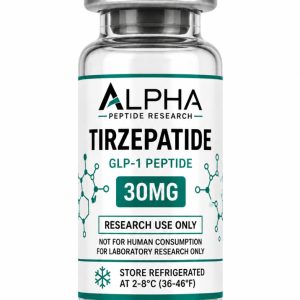 Tirzepatide 30mg
1 × $250.00
Tirzepatide 30mg
1 × $250.00 -
×
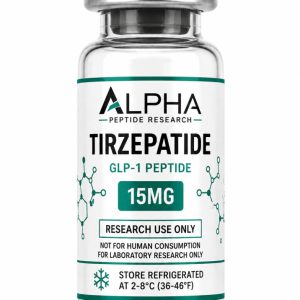 Tirzepatide 15mg
1 × $90.00
Tirzepatide 15mg
1 × $90.00 -
×
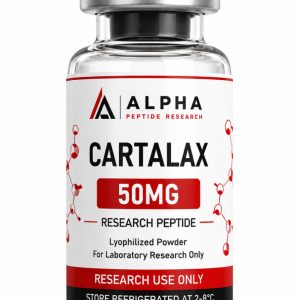 Cartalax 50mg
1 × $70.00
Cartalax 50mg
1 × $70.00 -
×
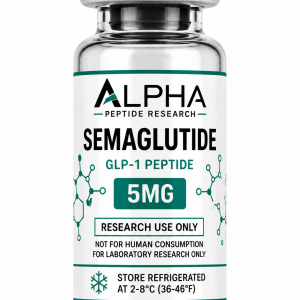 Semaglutide 5mg
1 × $50.00
Semaglutide 5mg
1 × $50.00 -
×
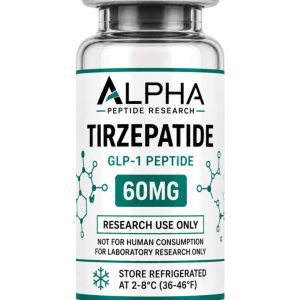 Tirzepatide 60mg
3 × $500.00
Tirzepatide 60mg
3 × $500.00 -
×
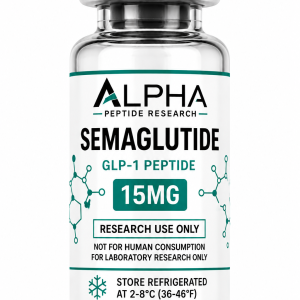 Semaglutide 15mg
1 × $200.00
Semaglutide 15mg
1 × $200.00 -
×
 Tirzepatide 10mg
1 × $89.00
Tirzepatide 10mg
1 × $89.00 -
×
 Epitalon 10mg
1 × $50.00
Epitalon 10mg
1 × $50.00 -
×
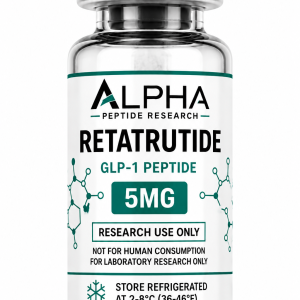 Retatrutide 5mg
2 × $100.00
Retatrutide 5mg
2 × $100.00 -
×
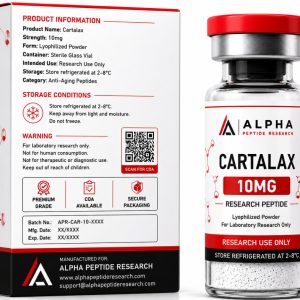 Cartalax 10mg
1 × $69.00
Cartalax 10mg
1 × $69.00 -
×
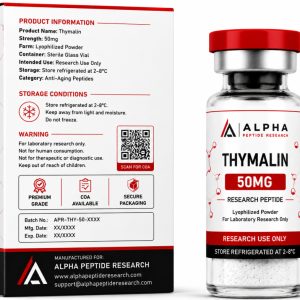 Thymalin 50mg
1 × $149.00
Thymalin 50mg
1 × $149.00 -
×
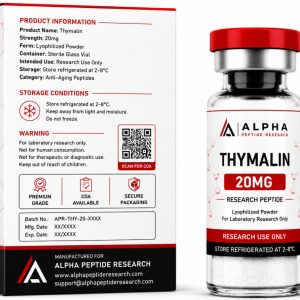 Thymalin 20mg
1 × $50.00
Thymalin 20mg
1 × $50.00 -
×
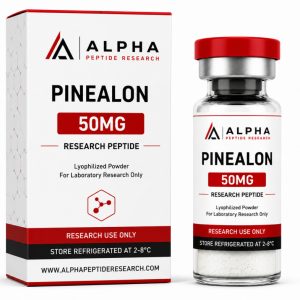 Pinealon 50mg
1 × $100.00
Pinealon 50mg
1 × $100.00 -
×
 Semax 5mg
1 × $45.00
Semax 5mg
1 × $45.00 -
×
 Sermorelin 5mg
1 × $100.00
Sermorelin 5mg
1 × $100.00 -
×
 Creatine + Electrolyte Gummies 5g
1 × $30.00
Creatine + Electrolyte Gummies 5g
1 × $30.00 -
×
 Semaglutide 10mg
1 × $100.00
Semaglutide 10mg
1 × $100.00
Weight Management & Metabolic Health
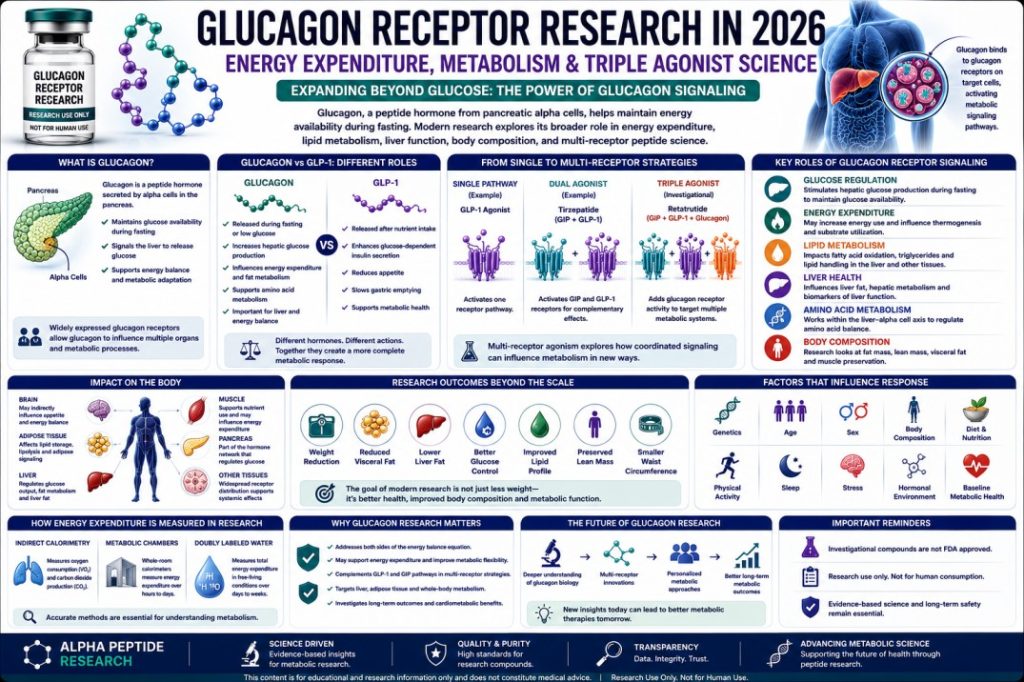
Glucagon Receptor Research in 2026: Energy Expenditure, Metabolism and Triple Agonist Science
27
Jul
Jul
GLP-1 and GIP dominate many discussions about modern metabolic research. However, another pathway is becoming increasingly important.
That pathway involves glucagon.
Scientists have studied glucagon for decades because of its central role in glucose regulation. More recently, however, researchers have expanded their focus.
Glucagon receptor research now intersects with energy expenditure, lipid metabolism, liver biology, body composition, and multi-receptor peptide science.
Furthermore, investigational triple agonists have increased interest in this pathway. These compounds combine glucagon receptor activity with GIP and GLP-1 signaling.
Consequently, glucagon is no longer discussed only as a hormone that raises blood glucose. Instead, scientists are investigating its broader role within coordinated metabolic systems.
What Is Glucagon?
Glucagon is a peptide hormone produced primarily by alpha cells in the pancreas.
Its biological role is closely connected with energy availability.
For example, when circulating glucose falls, glucagon can signal the liver to release glucose. This process helps support glucose availability between meals and during fasting.
However, glucagon biology extends beyond glucose regulation.
Scientists also study its relationship with:
Energy expenditure
Lipid metabolism
Amino acid metabolism
Liver function
Nutrient signaling
Body composition
Metabolic adaptation
Therefore, modern glucagon research covers a much wider range of metabolic questions.
What Is the Glucagon Receptor?
The glucagon receptor is a cell-surface receptor that responds to glucagon.
It belongs to the G protein-coupled receptor family.
When glucagon binds to its receptor, intracellular signaling pathways become activated. As a result, metabolic processes can change within responsive tissues.
The liver is particularly important because glucagon receptor signaling strongly influences hepatic metabolism.
Nevertheless, researchers increasingly study the pathway as part of whole-body metabolic regulation.
That broader perspective has helped drive interest in glucagon receptor research.
Glucagon vs GLP-1
Glucagon and GLP-1 are related peptide hormones, but their physiological roles differ.
Glucagon
Glucagon helps regulate energy availability, especially during fasting.
Researchers study its effects on hepatic glucose production, lipid metabolism, amino acid metabolism, and energy expenditure.
GLP-1
GLP-1 is an incretin hormone released after nutrient intake.
Its research landscape includes glucose-dependent insulin secretion, appetite regulation, gastric emptying, and metabolic health.
At first, these pathways may appear to work in opposite directions.
However, metabolic regulation is more complex.
Consequently, scientists are investigating what happens when glucagon and GLP-1 receptor activity are combined within carefully designed multi-receptor compounds.
Why Glucagon Matters in Metabolic Research
Weight management depends on energy balance.
Energy enters the system through food. Meanwhile, the body uses energy to maintain basic functions, physical activity, digestion, temperature regulation, and other biological processes.
Therefore, researchers examine both energy intake and energy expenditure.
GLP-1 research has created enormous interest in appetite and food intake. Glucagon adds another dimension because scientists are studying its potential influence on energy expenditure and substrate metabolism.
As a result, combining these pathways creates an important research question.
Can metabolic signaling influence both sides of the energy balance equation?
That question helps explain why glucagon receptor research has become increasingly relevant.
What Is Energy Expenditure?
Energy expenditure describes the amount of energy the body uses.
Several components contribute to total daily energy expenditure.
These include:
Resting metabolic expenditure
Physical activity
Thermic effect of food
Adaptive thermogenesis
Other physiological processes
Resting metabolism usually represents a large share of total energy use.
However, energy expenditure can change according to body size, body composition, activity, nutrition, age, and metabolic state.
Therefore, scientists need controlled methods when investigating changes in energy expenditure.
Glucagon and Energy Expenditure Research
Glucagon receptor activity has attracted interest because of its relationship with energy metabolism.
Researchers are investigating whether glucagon signaling can influence how the body uses stored and circulating fuels.
For example, studies may examine changes in energy expenditure, substrate oxidation, lipid metabolism, and hepatic activity.
Nevertheless, these processes are interconnected.
A change in one pathway may influence several others.
Consequently, scientists often combine energy expenditure measurements with body composition and metabolic biomarkers.
This provides a more complete view of the response.
Why Energy Intake Is Only Half the Equation
Public discussions about weight management often focus on appetite.
Certainly, food intake matters.
However, energy balance also depends on how much energy the body expends.
For this reason, metabolic scientists study both sides.
One intervention may influence energy intake strongly. Another pathway may affect energy utilization or expenditure.
Furthermore, multi-receptor research allows scientists to investigate whether these mechanisms can complement one another.
This concept is particularly relevant to GLP-1 and glucagon receptor research.
Glucagon and the Liver
The liver is one of the most important organs in glucagon biology.
During fasting, glucagon helps regulate hepatic glucose production.
It can influence processes such as glycogen breakdown and gluconeogenesis.
As a result, circulating energy remains available when dietary glucose is not being absorbed.
However, the liver also plays a major role in lipid and amino acid metabolism.
Therefore, researchers increasingly examine glucagon signaling within the broader context of hepatic metabolism.
Glucagon and Glucose Regulation
Glucagon and insulin help coordinate blood glucose regulation.
After food intake, insulin generally supports nutrient storage and glucose utilization.
During fasting, glucagon helps maintain glucose availability.
This balance is essential.
However, metabolic disease can alter normal hormonal regulation.
Consequently, researchers investigate how glucagon signaling changes across different metabolic states.
Scientists may examine:
Fasting glucose
Post-meal glucose
Insulin
Glucagon
HbA1c
Hepatic glucose production
Other metabolic biomarkers
Together, these measurements can reveal how glucose regulation changes during metabolic research.
Why Combining Glucagon With GLP-1 Is Interesting
Glucagon receptor activity can increase hepatic glucose output.
At first glance, combining it with GLP-1 might seem counterintuitive.
However, GLP-1 contributes to glucose-dependent insulin secretion and other metabolic effects.
Therefore, researchers can investigate whether coordinated receptor activity creates a different overall metabolic response.
The goal is not simply to add the effects of two hormones together.
Instead, scientists study how the pathways interact.
This distinction is important because multi-receptor pharmacology depends on balance.
Dual GLP-1 and Glucagon Research
Some metabolic research strategies combine GLP-1 and glucagon receptor agonism.
These compounds are often described as co-agonists.
The scientific rationale involves complementary pathways.
GLP-1 signaling may influence appetite and glucose regulation. Meanwhile, glucagon receptor activity may affect hepatic metabolism and energy expenditure.
Consequently, researchers can study whether coordinated signaling changes:
Energy intake
Energy expenditure
Body weight
Fat mass
Glucose regulation
Lipid metabolism
Liver-related outcomes
However, receptor balance remains critical.
More activity does not automatically produce a better outcome.
Triple Agonist Research
Triple agonism expands the concept further.
Instead of combining two receptor pathways, researchers can investigate three.
Retatrutide is an investigational example designed to activate:
GIP receptors
GLP-1 receptors
Glucagon receptors
Each pathway contributes different biological characteristics.
GIP participates in incretin signaling and nutrient metabolism. GLP-1 has important roles in appetite and glucose regulation. Meanwhile, glucagon adds another dimension involving hepatic metabolism and energy expenditure.
Therefore, triple agonism allows scientists to study coordinated metabolic signaling across several systems.
Why Retatrutide Increased Interest in Glucagon Research
Retatrutide has brought significant attention to glucagon receptor biology.
Its scientific importance comes partly from the combination of three receptor pathways.
Previously, many discussions focused heavily on GLP-1. Tirzepatide then increased interest in combined GIP and GLP-1 signaling.
Triple agonism adds glucagon receptor activity to that model.
Consequently, researchers can investigate whether this additional pathway changes energy balance, body composition, glucose regulation, or other metabolic outcomes.
However, retatrutide remains investigational in 2026.
Therefore, research findings should be discussed within the context of ongoing clinical development.
Glucagon and Lipid Metabolism
Glucose is not the body’s only energy source.
Lipids also play a central role in energy storage and utilization.
Accordingly, scientists investigate how glucagon receptor signaling interacts with lipid metabolism.
Research may examine:
Triglycerides
Fatty acid metabolism
Substrate oxidation
Liver fat
Adipose tissue
Total fat mass
Visceral adiposity
These measurements can help scientists understand how metabolic fuel use changes.
Furthermore, they provide information beyond total body weight.
Glucagon and Liver Fat Research
Liver fat has become an important endpoint in modern metabolic science.
Excess hepatic fat is associated with metabolic dysfunction. Therefore, researchers increasingly evaluate liver-related outcomes during weight management studies.
Glucagon is particularly relevant because its receptor signaling strongly influences hepatic metabolism.
Scientists may examine liver fat alongside:
Visceral fat
Insulin sensitivity
Glucose regulation
Triglycerides
Body composition
Liver-related biomarkers
Consequently, liver research provides another way to study metabolic quality beyond the scale.
Glucagon and Amino Acid Metabolism
An important but less widely discussed area involves amino acid metabolism.
The liver and pancreatic alpha cells participate in a complex relationship involving glucagon and amino acids.
Researchers sometimes describe this interaction as part of a liver-alpha cell axis.
In simple terms, glucagon signaling can influence hepatic amino acid metabolism. Meanwhile, amino acids can affect glucagon secretion.
Therefore, this relationship demonstrates how glucagon biology extends beyond glucose.
Future metabolic research may increasingly examine these interactions.
Glucagon and Body Composition
Total body weight cannot reveal which tissues changed.
For this reason, body composition has become increasingly important.
Scientists may examine:
Total fat mass
Visceral fat
Lean mass
Skeletal muscle
Liver fat
Waist circumference
Regional fat distribution
These measurements help researchers determine whether changes occur primarily in adipose tissue, lean tissue, or both.
Furthermore, body composition can provide valuable context when energy expenditure changes.
Why Lean Mass Matters
Lean tissue contributes to metabolic function and physical performance.
Skeletal muscle, in particular, plays an important role in glucose disposal and energy metabolism.
Therefore, researchers do not want to evaluate large changes in body weight without considering lean tissue.
Studies may assess muscle mass, strength, physical function, and body composition.
Moreover, nutrition and resistance exercise can influence these outcomes.
Consequently, modern metabolic research increasingly considers fat reduction and lean tissue together.
Glucagon and Visceral Fat Research
Visceral adipose tissue surrounds internal organs in the abdominal cavity.
Excess visceral fat is associated with several metabolic risk factors.
Therefore, scientists often measure it separately from total body fat.
Research involving glucagon-related pathways may examine whether changes in energy metabolism correspond with changes in visceral adiposity.
In addition, scientists can evaluate liver fat, waist circumference, and metabolic biomarkers.
Together, these measurements create a more detailed picture of metabolic response.
How Researchers Measure Energy Expenditure
Energy expenditure cannot be accurately determined from body weight alone.
Therefore, scientists use specialized research methods.
Indirect Calorimetry
Indirect calorimetry estimates energy expenditure by measuring oxygen consumption and carbon dioxide production.
It can also provide information about fuel utilization.
Consequently, this method is widely used in metabolic research.
Metabolic Chambers
Whole-room calorimeters allow researchers to measure energy expenditure over extended periods in controlled environments.
Although these systems provide valuable data, they require specialized facilities.
Doubly Labeled Water
Doubly labeled water can estimate total energy expenditure under free-living conditions.
Therefore, it offers useful information outside a laboratory chamber.
Each method has strengths and limitations.
Researchers choose the appropriate approach based on the scientific question.
Resting Energy Expenditure and Body Composition
Resting energy expenditure varies among individuals.
Body size is one factor. However, body composition also matters.
Lean tissue generally requires more energy to maintain than adipose tissue.
Therefore, changes in body composition can influence energy expenditure measurements.
Age, sex, genetics, hormones, and metabolic status may also contribute.
Consequently, researchers need to account for these variables when interpreting metabolic studies.
Metabolic Adaptation During Weight Change
Energy expenditure does not always remain constant during weight reduction.
As body mass changes, the body’s energy requirements can also change.
Furthermore, physiological adaptation may alter energy expenditure beyond what researchers expect from body size alone.
This phenomenon is often discussed as metabolic adaptation.
Therefore, scientists studying weight management need to consider how energy expenditure evolves over time.
Long-term studies are especially valuable for answering these questions.
Glucagon and Cardiometabolic Research
Modern metabolic science looks beyond body weight.
Researchers also evaluate cardiometabolic markers.
Depending on the study, these may include:
Blood pressure
Glucose regulation
Insulin sensitivity
Triglycerides
Cholesterol
Waist circumference
Liver fat
Visceral adiposity
Body composition
Together, these outcomes help scientists understand whether metabolic changes extend beyond weight reduction.
Why Receptor Balance Matters
Multi-receptor agonism is not simply a competition to activate more receptors.
The balance between pathways matters.
For example, glucagon receptor signaling can influence glucose production. Meanwhile, GLP-1 and GIP affect other aspects of glucose and nutrient regulation.
Therefore, scientists need to understand the relative contribution of each receptor.
Dose, receptor potency, exposure, and biological context can all influence the outcome.
Consequently, receptor engineering has become an important area of metabolic research.
Individual Response to Multi-Receptor Research
Average results cannot describe every participant.
Some individuals may respond differently because of genetics, body composition, metabolic status, age, sex, diet, physical activity, or other variables.
Furthermore, receptor biology may differ among individuals.
Therefore, scientists increasingly investigate variability in metabolic response.
Understanding these differences could support more precise research in the future.
Why Long-Term Research Matters
Short-term metabolic changes can be informative.
However, long-term evidence is essential.
Scientists need to understand whether changes in body composition, energy expenditure, glucose regulation, and metabolic biomarkers persist.
Furthermore, longer studies can provide more information about safety and tolerability.
Weight maintenance is another important question.
Consequently, long-term research will remain central to evaluating multi-receptor metabolic strategies.
Research Quality and Scientific Interpretation
Interest in metabolic peptides has expanded rapidly.
As a result, scientific findings can become mixed with speculation and marketing claims online.
Researchers and readers should distinguish among:
Peer-reviewed studies
Registered clinical trials
Regulatory information
Preclinical evidence
Company research announcements
Unverified claims
Moreover, investigational compounds should not be presented as approved therapies.
Scientific credibility depends on accurate terminology and appropriate interpretation of evidence.
What Researchers May Study Next
Glucagon receptor research is likely to expand as multi-receptor metabolic science develops.
Future studies may examine:
Energy expenditure
Substrate utilization
Lipid metabolism
Liver biology
Body composition
Visceral fat
Lean tissue
Amino acid metabolism
GLP-1 and glucagon co-agonism
Triple agonist pathways
Long-term cardiometabolic outcomes
Individual response
Researchers may also investigate new receptor combinations and different balances of activity.
Consequently, glucagon biology could become increasingly important within next-generation metabolic peptide science.
Frequently Asked Questions
What is glucagon?
Glucagon is a peptide hormone produced primarily by pancreatic alpha cells. It plays an important role in glucose and energy regulation.
What does the glucagon receptor do?
The glucagon receptor responds to glucagon and activates intracellular signaling involved in metabolic regulation, particularly in the liver.
Does glucagon increase blood glucose?
Glucagon can promote hepatic glucose production. Therefore, it plays an important role in maintaining glucose availability during fasting.
Why are scientists studying glucagon for metabolic research?
Glucagon biology extends beyond glucose regulation. Researchers also study energy expenditure, lipid metabolism, liver function, amino acid metabolism, and body composition.
What is energy expenditure?
Energy expenditure describes the energy used by the body for resting metabolism, physical activity, digestion, thermoregulation, and other physiological processes.
How is glucagon different from GLP-1?
Glucagon and GLP-1 are related peptide hormones but act through different receptors and have different physiological roles.
Why combine GLP-1 and glucagon receptor activity?
Researchers study the combination because the pathways may influence complementary aspects of energy intake, glucose regulation, hepatic metabolism, and energy expenditure.
What is a triple agonist?
A triple agonist activates three receptor pathways. For example, investigational retatrutide targets GIP, GLP-1, and glucagon receptors.
Is retatrutide FDA approved?
No. Retatrutide remains investigational in 2026.
Is glucagon involved in fat metabolism?
Yes. Researchers study glucagon receptor signaling in relation to lipid metabolism, substrate utilization, liver biology, and energy balance.
How do scientists measure energy expenditure?
Methods include indirect calorimetry, metabolic chambers, and doubly labeled water.
What is next for glucagon receptor research?
Future studies may focus on energy expenditure, body composition, liver metabolism, multi-receptor agonism, amino acid biology, individual response, and long-term metabolic outcomes.
Conclusion
Glucagon receptor research is becoming increasingly important in modern metabolic science.
Traditionally, glucagon was discussed primarily in relation to blood glucose. However, current research examines a much broader biological landscape.
Scientists now study glucagon in relation to energy expenditure, lipid metabolism, liver biology, amino acid metabolism, body composition, and metabolic adaptation.
Furthermore, multi-receptor research has created new opportunities.
GLP-1 and glucagon co-agonism allows scientists to investigate complementary metabolic pathways. Meanwhile, triple agonist research adds GIP signaling to the model.
Consequently, metabolic science is moving beyond the idea that one receptor must control every outcome.
The larger goal is to understand how multiple signals coordinate energy intake, energy expenditure, glucose regulation, nutrient metabolism, and body composition.
Ultimately, glucagon receptor research may help scientists build a more complete picture of metabolic biology and the next generation of multi-receptor peptide science.
Alpha Peptide Research follows emerging peptide and metabolic science to provide research-focused educational information about developments shaping modern biotechnology.
Research Disclaimer: This article is provided for educational and research information only. Discussion of investigational compounds or receptor pathways does not imply regulatory approval, safety, efficacy, or suitability for human use. Materials labeled for research use only are not intended for human consumption.
