

-
×
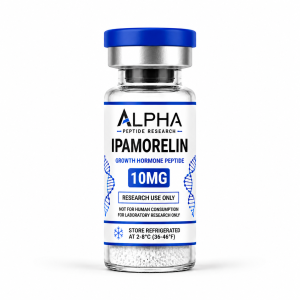 Ipamorelin 10mg
1 × $70.00
Ipamorelin 10mg
1 × $70.00 -
×
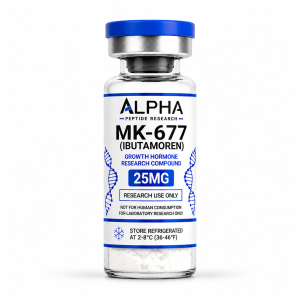 MK-677 (Ibutamoren) 25mg
1 × $60.00
MK-677 (Ibutamoren) 25mg
1 × $60.00 -
×
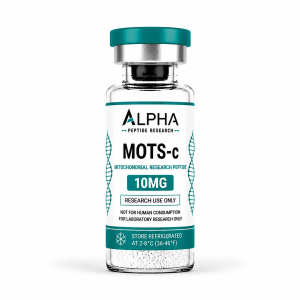 MOTS-c 10mg
1 × $69.00
MOTS-c 10mg
1 × $69.00 -
×
 TB-500 5mg
1 × $55.00
TB-500 5mg
1 × $55.00 -
×
 Semaglutide 30mg
1 × $100.00
Semaglutide 30mg
1 × $100.00 -
×
 Pinealon 100mg
1 × $150.00
Pinealon 100mg
1 × $150.00 -
×
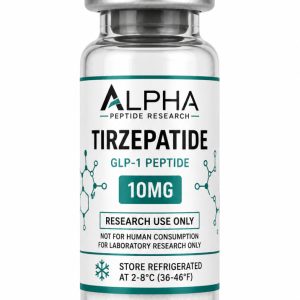 Tirzepatide 10mg
1 × $89.00
Tirzepatide 10mg
1 × $89.00
Weight Management & Metabolic Health
GLP-1 Peptide Research Trends in 2026: What Scientists Are Studying
27
Jul
Jul
GLP-1 peptide research has become one of the most closely watched areas of metabolic science in the United States. What began largely as research into glucose regulation has expanded into obesity, body composition, cardiovascular health, metabolic disease, and next-generation incretin biology.
In 2026, the field is moving beyond one simple question: how much weight can GLP-1-based therapies help people lose?
Researchers now want to understand the quality of that weight loss, the biology behind different responses, and what happens when several metabolic pathways are targeted together.
This shift is opening a new chapter in GLP-1 peptide research.
Scientists are studying higher-dose formulations, oral approaches, dual agonists, triple agonists, body composition, and long-term metabolic outcomes. As a result, GLP-1 research has become a central part of the wider conversation surrounding obesity and metabolic health.
What Is GLP-1?
Glucagon-like peptide-1, commonly called GLP-1, is a naturally occurring peptide hormone involved in metabolic regulation.
The body releases GLP-1 after food intake. It participates in several physiological processes related to glucose regulation, appetite, digestion, and energy balance.
Researchers have studied the GLP-1 pathway for decades. However, scientific interest accelerated as GLP-1 receptor agonists became important tools for studying diabetes, obesity, and cardiometabolic health.
Today, researchers are exploring a much broader question.
What can incretin biology teach us about metabolic health?
Why GLP-1 Peptide Research Is Expanding in 2026
Several developments are driving the rapid expansion of this field.
First, obesity research has become increasingly focused on metabolic biology rather than body weight alone.
Second, researchers now have several generations of incretin-based compounds to compare.
Third, scientists are investigating combinations of metabolic pathways rather than focusing exclusively on the GLP-1 receptor.
Finally, large reductions in body weight have created new research questions surrounding body composition, nutrition, muscle preservation, and long-term metabolic health.
These developments are making 2026 an important year for GLP-1 research.
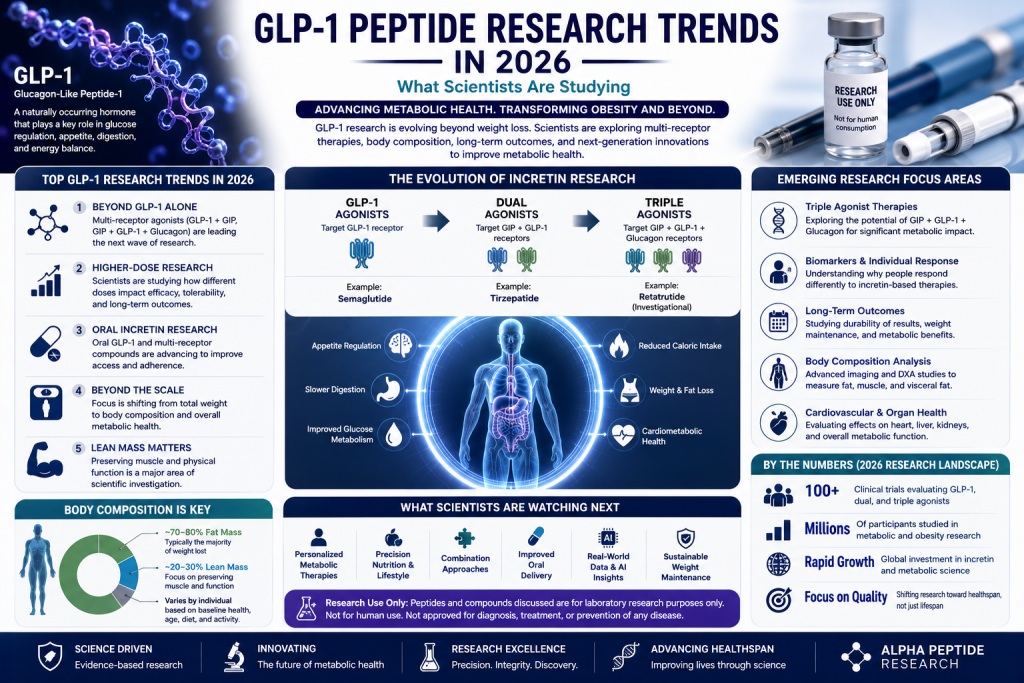
Trend 1: Research Is Moving Beyond GLP-1 Alone
One of the most significant trends involves multi-receptor agonism.
Traditional GLP-1 receptor agonist research focuses primarily on the GLP-1 pathway. Newer compounds allow researchers to investigate what happens when GLP-1 signaling is combined with other metabolic pathways.
Tirzepatide, for example, acts on both GIP and GLP-1 receptors.
Research has now progressed further into triple-receptor approaches.
Retatrutide is an investigational compound designed to activate GIP, GLP-1, and glucagon receptors. This makes it especially interesting for researchers studying how several metabolic signals can influence energy balance and body weight simultaneously.
The growing pipeline suggests that future metabolic research may focus increasingly on coordinated hormonal signaling.
Trend 2: Higher-Dose GLP-1 Research Is Expanding
Researchers are also examining whether different exposure levels can produce different metabolic outcomes.
In March 2026, the FDA approved a higher-dose semaglutide formulation for certain adults with obesity or overweight and a weight-related condition.
This development reflects an important trend.
Scientists are continuing to study how dose, tolerability, biological response, and long-term outcomes interact.
Rather than viewing a GLP-1 compound as one fixed intervention, research increasingly examines how different treatment strategies influence metabolic outcomes.
Trend 3: Oral Incretin Research Is Becoming More Important
Injectable formulations have dominated much of the GLP-1 conversation. However, oral metabolic research is advancing quickly.
Scientists are investigating oral approaches because they may offer new ways to study incretin pathways without relying exclusively on injectable delivery.
This area raises several important research questions.
Can oral approaches produce meaningful metabolic effects?
How does oral delivery affect adherence?
How does bioavailability differ?
Will oral options broaden the population interested in incretin-based metabolic research?
These questions make oral incretin science one of the most important areas to watch.
Trend 4: Scientists Are Looking Beyond the Scale
Weight loss remains an important endpoint in obesity research. However, researchers increasingly recognize that body weight alone provides an incomplete picture.
Two people can lose the same amount of weight while experiencing different changes in fat mass, lean mass, visceral adiposity, and metabolic health.
Therefore, modern GLP-1 research increasingly measures body composition.
Scientists are studying changes in:
Fat mass
Visceral adipose tissue
Lean mass
Skeletal muscle
Waist circumference
Liver fat
Metabolic markers
This shift from total weight toward body composition represents an important evolution in metabolic research.
Trend 5: Lean Mass Has Become a Major Research Question
As GLP-1-based approaches produce substantial weight reduction, researchers are paying closer attention to lean tissue.
Weight loss typically includes both fat and lean mass. The scientific question is not simply whether lean mass changes. Researchers want to understand the proportion of weight loss that comes from different tissues and how those changes affect physical function.
Recent evidence has strengthened interest in this area.
Researchers are studying resistance training, protein intake, body composition monitoring, and other strategies that may help preserve lean tissue during substantial weight reduction.
This means the future of weight management research may increasingly focus on quality of weight loss rather than weight loss alone.
Trend 6: Metabolic Health Is Becoming More Important Than a Single Number
Body weight does not tell researchers everything about metabolic health.
Scientists increasingly examine several outcomes together.
These include glucose regulation, visceral adiposity, waist circumference, lipid metabolism, cardiovascular risk, liver health, and body composition.
This broader approach matters because obesity is a complex metabolic condition.
As GLP-1 peptide research evolves, scientists are increasingly interested in how changes across several biological systems interact.
Trend 7: Triple Agonists Are Entering a Critical Research Phase
Triple agonist research is one of the most closely watched developments of 2026.
Retatrutide targets three receptors: GIP, GLP-1, and glucagon.
In May 2026, Phase 3 topline results from the TRIUMPH-1 study reported substantial average weight reduction among participants receiving the investigational compound.
These findings do not make retatrutide an approved therapy. However, they demonstrate why triple agonism has become such an important research area.
Scientists now have an opportunity to investigate whether coordinated activation of several metabolic pathways can produce different outcomes from single or dual receptor approaches.
Trend 8: Researchers Are Studying Individual Response
Not everyone responds to metabolic interventions in the same way.
Researchers are becoming increasingly interested in why.
Potential factors include:
Genetics
Baseline metabolic health
Body composition
Age
Sex
Diet
Physical activity
Sleep
Other biological variables
Understanding response variability could eventually help researchers develop more precise models of metabolic health.
This is one reason personalized metabolic research is gaining attention.
Trend 9: Long-Term Weight Maintenance Is Moving Into Focus
Initial weight reduction generates attention, but long-term maintenance may prove equally important.
Researchers want to understand what happens over several years rather than several months.
Questions include how metabolic markers change over time, what influences weight regain, how body composition evolves, and how long-term interventions affect health outcomes.
This research will become increasingly important as GLP-1-based approaches are studied over longer periods.
Trend 10: GLP-1 Research Is Becoming Part of a Larger Metabolic Science Ecosystem
GLP-1 research no longer exists in isolation.
Scientists are increasingly connecting incretin biology with broader fields such as mitochondrial health, cardiovascular research, metabolic flexibility, body composition, nutrition, exercise physiology, and healthy aging.
That intersection may become one of the most important developments of the next several years.
Rather than asking whether one pathway changes body weight, researchers can examine how multiple biological systems interact.
GLP-1 vs Dual and Triple Agonist Research
Understanding the terminology helps clarify where metabolic research is heading.
GLP-1 Receptor Agonists
These compounds primarily target the GLP-1 receptor.
Semaglutide is a prominent example.
Dual Agonists
Dual agonists target two metabolic receptors.
Tirzepatide targets GIP and GLP-1 receptors.
Triple Agonists
Triple agonists are designed to target three pathways.
Retatrutide targets GIP, GLP-1, and glucagon receptors and remains investigational as of 2026.
The progression from single to dual and triple receptor research illustrates how rapidly incretin science is evolving.
What Researchers Are Watching Next
The next phase of GLP-1 peptide research will likely extend well beyond headline weight-loss percentages.
Scientists will continue investigating body composition and lean tissue preservation. Oral metabolic compounds will attract further attention. Multi-receptor agonists will provide new opportunities to study metabolic signaling.
Long-term outcomes will also become increasingly important.
At the same time, researchers will continue asking how metabolic interventions influence different populations and why individual responses vary.
Together, these questions could reshape weight management research throughout the remainder of the decade.
Frequently Asked Questions
What is GLP-1 peptide research?
GLP-1 peptide research studies glucagon-like peptide-1 signaling and its relationship with glucose regulation, appetite, energy balance, obesity, and metabolic health.
Why is GLP-1 research trending in 2026?
The field is expanding because researchers are studying higher-dose approaches, oral compounds, multi-receptor agonists, body composition, and long-term metabolic outcomes.
What is the difference between GLP-1 and GIP?
GLP-1 and GIP are incretin hormones involved in metabolic signaling. Researchers study both pathways to understand their roles in glucose regulation, appetite, and energy balance.
What is a dual agonist?
A dual agonist targets two biological receptors. Tirzepatide targets both GIP and GLP-1 receptors.
What is a triple agonist?
A triple agonist targets three receptors. Retatrutide is an investigational GIP, GLP-1, and glucagon receptor agonist.
Why are researchers studying body composition?
Total body weight cannot show how much weight change comes from fat, lean tissue, or other compartments. Body composition provides researchers with a more detailed picture.
Are scientists studying muscle during GLP-1 research?
Yes. Lean mass, skeletal muscle, physical function, nutrition, and resistance exercise have become important areas of investigation.
Why are oral incretin compounds important?
Oral approaches may provide researchers with new ways to study metabolic pathways while addressing questions involving delivery, accessibility, adherence, and biological response.
Is retatrutide approved?
As of 2026, retatrutide remains investigational. Researchers are evaluating it in clinical development.
What is next for GLP-1 research?
Major areas include multi-receptor agonists, oral compounds, body composition, long-term weight maintenance, personalized response, and broader cardiometabolic outcomes.
Conclusion
GLP-1 peptide research is entering a new phase in 2026.
The field has moved beyond studying one hormone or one number on the scale. Researchers are now exploring multi-receptor signaling, body composition, lean tissue, oral approaches, personalized response, and long-term metabolic outcomes.
Dual and triple agonist research may further expand what scientists understand about metabolic signaling. Meanwhile, greater attention to body composition is changing how researchers define successful weight management.
These developments make GLP-1 research one of the most dynamic areas of modern metabolic science.
Alpha Peptide Research follows emerging peptide science and metabolic research to help readers understand the developments shaping the next generation of laboratory and biotechnology research.
Research Disclaimer: This article is provided for educational and research information only. References to investigational compounds do not imply FDA approval, safety, efficacy, or suitability for human use. Research materials labeled for research use only are not intended for human consumption.
