

-
×
 Creatine + Vitamin D3 + K2 Gummies 5g
1 × $30.00
Creatine + Vitamin D3 + K2 Gummies 5g
1 × $30.00 -
×
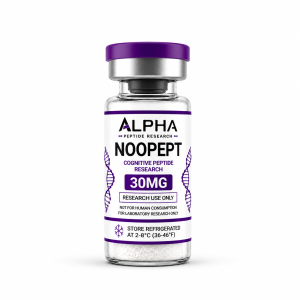 Noopept 30mg
1 × $35.00
Noopept 30mg
1 × $35.00 -
×
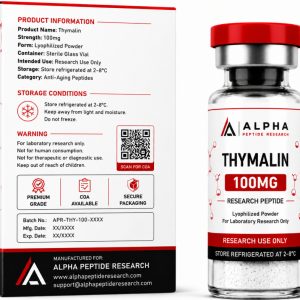 Thymalin 100mg
1 × $150.00
Thymalin 100mg
1 × $150.00 -
×
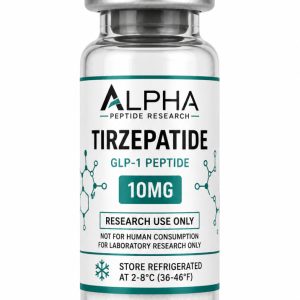 Tirzepatide 10mg
1 × $89.00
Tirzepatide 10mg
1 × $89.00 -
×
 Creatine + Collagen Gummies 5g
1 × $25.00
Creatine + Collagen Gummies 5g
1 × $25.00 -
×
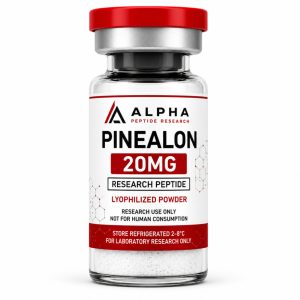 Pinealon 20mg
1 × $75.00
Pinealon 20mg
1 × $75.00 -
×
 GHK-Cu 50mg
1 × $54.00
GHK-Cu 50mg
1 × $54.00
Weight Management & Metabolic Health
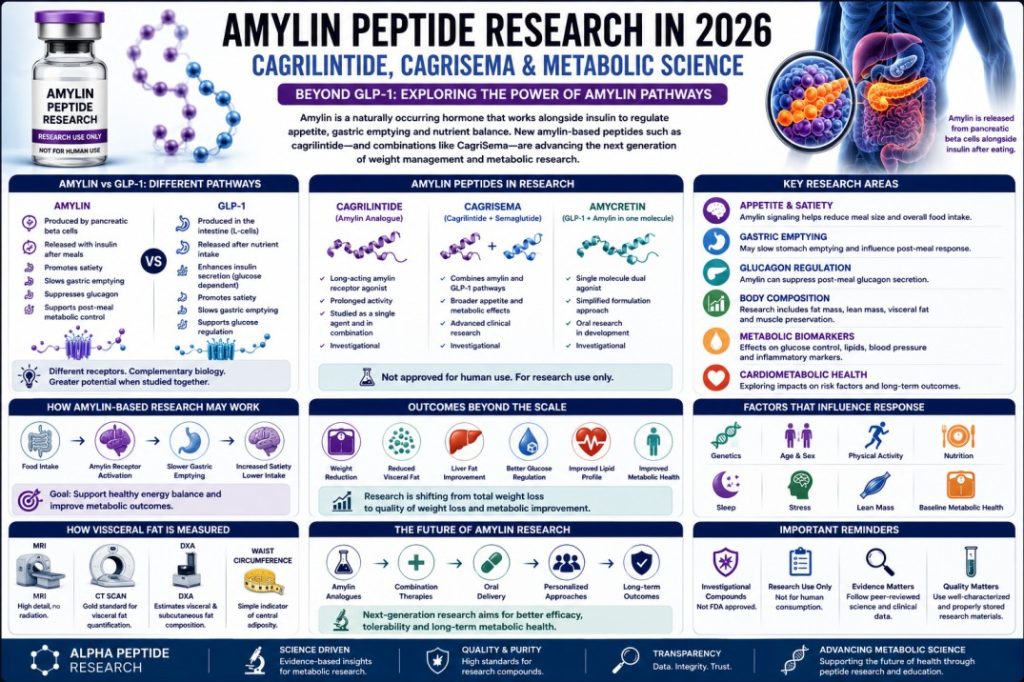
Amylin Peptide Research in 2026: Why Scientists Are Looking Beyond GLP-1
27
Jul
Jul
GLP-1 transformed modern metabolic research. However, it is no longer the only peptide pathway attracting major attention.
Amylin research is emerging as another important area.
Amylin is a naturally occurring peptide hormone involved in satiety and nutrient regulation. Unlike GLP-1, it follows a different signaling pathway. Therefore, researchers can study amylin alone or alongside incretin pathways.
That distinction has become increasingly important in 2026.
Cagrilintide, a long-acting amylin analogue, has advanced through clinical research. Meanwhile, combinations involving amylin and GLP-1 signaling have created new questions about appetite, body weight, metabolic regulation, and body composition.
Consequently, amylin peptide research is becoming an important part of next-generation weight management science.
What Is Amylin?
Amylin is a peptide hormone produced by pancreatic beta cells.
The pancreas releases it alongside insulin after nutrient intake. Although insulin and amylin are released together, they perform different biological roles.
Amylin participates in several processes related to energy regulation.
Researchers study its involvement in:
Satiety signaling
Food intake
Gastric emptying
Glucagon regulation
Post-meal metabolism
Energy balance
These functions make the amylin pathway highly relevant to metabolic research.
Why Amylin Is Important in Weight Management Research
Weight regulation involves far more than one hormone.
The brain, gastrointestinal system, pancreas, adipose tissue, liver, and skeletal muscle all participate in energy balance.
Furthermore, several hormones communicate information about nutrient availability and energy status.
Amylin contributes to this network.
After food intake, amylin helps signal satiety. As a result, researchers are interested in how amylin receptor signaling influences food intake and meal-related behavior.
However, appetite is only one part of the research picture.
Scientists also investigate how amylin biology interacts with glucose regulation, gastric emptying, body composition, and broader metabolic pathways.
Amylin vs GLP-1: What Is the Difference?
Amylin and GLP-1 can influence some overlapping physiological processes. Nevertheless, they are distinct hormones.
Amylin
Amylin is produced by pancreatic beta cells and released alongside insulin.
Researchers study its role in satiety, food intake, gastric emptying, glucagon regulation, and nutrient-related signaling.
GLP-1
GLP-1 is an incretin hormone primarily released from intestinal cells after nutrient intake.
It participates in glucose-dependent insulin secretion, appetite regulation, gastric emptying, and other metabolic processes.
Therefore, both pathways can influence energy regulation. However, they do so through different receptor systems.
That difference creates an important research opportunity.
Instead of relying on one pathway, scientists can investigate whether coordinated amylin and GLP-1 signaling produces different metabolic responses.
Why Scientists Are Looking Beyond GLP-1
GLP-1 receptor agonist research established a powerful foundation for modern metabolic science.
However, metabolic biology is complex.
Individuals vary in response. Weight trajectories can plateau. Moreover, researchers increasingly care about body composition, long-term outcomes, tolerability, and metabolic health rather than total weight alone.
Consequently, scientists are exploring additional pathways.
These include:
GIP
Glucagon
Amylin
Other appetite-regulating signals
Energy expenditure pathways
Adipose tissue biology
Amylin is especially interesting because it offers a mechanism that complements incretin signaling rather than simply repeating it.
What Is Cagrilintide?
Cagrilintide is a long-acting amylin analogue developed for metabolic research.
Its design allows prolonged activity compared with native amylin.
Therefore, scientists can investigate sustained amylin receptor signaling in clinical studies.
Research has examined cagrilintide as a standalone compound. In addition, scientists have studied it alongside semaglutide.
That combination is commonly known as CagriSema.
Importantly, the scientific value of cagrilintide extends beyond headline weight changes.
It provides researchers with a way to study how prolonged amylin signaling influences appetite, body composition, glucose regulation, and other metabolic outcomes.
What Is CagriSema?
CagriSema combines cagrilintide with semaglutide.
The combination brings together two distinct pathways.
Cagrilintide targets amylin-related signaling.
Semaglutide activates the GLP-1 receptor.
As a result, researchers can investigate whether coordinated signaling across both systems produces different outcomes from either pathway alone.
This makes CagriSema particularly interesting within modern obesity research.
However, combination research is not simply about maximizing weight reduction.
Scientists must also evaluate tolerability, safety, body composition, metabolic biomarkers, and long-term outcomes.
Why Combine Amylin and GLP-1 Pathways?
The scientific rationale centers on complementary biology.
GLP-1 and amylin both participate in energy regulation. However, their mechanisms are not identical.
Therefore, activating both pathways may allow researchers to study a broader network of metabolic signals.
Several questions become possible.
Does combined signaling alter satiety differently?
How does food intake change?
What happens to body composition?
How does glucose regulation respond?
Does visceral adiposity change?
How do participants tolerate the combination?
These questions explain why amylin plus GLP-1 research has attracted significant attention.
Appetite and Satiety Research
Appetite regulation is one of the most important areas of amylin research.
However, appetite is not controlled by a single biological switch.
Multiple signals communicate between the gut, pancreas, brain, and other tissues.
Amylin contributes to this network by participating in satiety signaling after meals.
Consequently, researchers study how amylin receptor activity affects meal size and energy intake.
Scientists may also investigate interactions with other appetite-related pathways.
This systems-based approach provides a more realistic model of human energy regulation.
Gastric Emptying and Nutrient Regulation
The movement of food from the stomach into the small intestine affects nutrient absorption and post-meal physiology.
Amylin participates in the regulation of gastric emptying.
Therefore, researchers can study how amylin signaling influences the timing of nutrient delivery after food intake.
This process may interact with:
Satiety
Post-meal glucose
Insulin response
Glucagon signaling
Meal patterns
Overall energy intake
However, researchers must examine these effects within controlled studies rather than assuming that one mechanism explains every metabolic outcome.
Amylin and Glucagon Research
Glucagon plays an important role in glucose regulation.
Amylin can influence post-meal glucagon secretion. Therefore, the relationship between these hormones has become another area of metabolic research.
Scientists may investigate how amylin-related signaling affects glucose dynamics after nutrient intake.
In addition, researchers can examine interactions among insulin, glucagon, and other metabolic hormones.
This broader hormonal picture matters because metabolic regulation depends on coordinated signals rather than one pathway acting alone.
Cagrilintide and Body Composition
Body composition is becoming increasingly important in metabolic research.
Total body weight cannot tell scientists whether changes come from fat mass, lean tissue, water, or other components.
Therefore, modern studies increasingly examine the composition of weight change.
Research involving amylin-based compounds may assess:
Total fat mass
Visceral adiposity
Lean mass
Skeletal muscle
Waist circumference
Fat distribution
Physical function
These endpoints help researchers determine what happens beyond the scale.
Why Fat Mass Matters
Total weight reduction can be useful, but fat mass provides more specific information.
Researchers want to know how much adipose tissue changes during metabolic interventions.
Furthermore, scientists can distinguish between different fat depots.
Visceral fat has particular metabolic importance because it surrounds internal organs and is associated with several cardiometabolic risk factors.
Therefore, future amylin research may increasingly combine weight measurements with detailed adipose tissue analysis.
Why Lean Mass Matters
Large changes in body weight can include changes in both fat and lean tissue.
Consequently, lean mass has become a major research topic.
Scientists may evaluate:
Lean tissue
Skeletal muscle
Muscle strength
Physical function
Protein intake
Resistance exercise
Age-related differences
Importantly, lean mass and skeletal muscle are not identical measurements.
Researchers therefore need appropriate assessment methods when studying muscle-related outcomes.
Amylin Research and Metabolic Biomarkers
Weight is only one metabolic endpoint.
Scientists can also examine biomarkers that provide information about glucose and lipid regulation.
Depending on study design, researchers may evaluate:
Fasting glucose
HbA1c
Insulin-related measures
Triglycerides
Cholesterol
Blood pressure
Waist circumference
Other cardiometabolic markers
Together, these measurements provide a broader view of metabolic response.
Cagrilintide vs GLP-1 Research
Comparisons between cagrilintide and GLP-1-based approaches are scientifically interesting. However, they require careful interpretation.
Cagrilintide represents amylin-related signaling.
GLP-1 receptor agonists act through a different pathway.
Therefore, differences in study results may provide information about distinct biological mechanisms.
Nevertheless, researchers must account for dose, study duration, participant characteristics, trial design, and other variables.
Comparing headline percentages from unrelated studies does not establish superiority.
Direct comparative trials provide stronger evidence.
Cagrilintide vs Multi-Receptor Agonists
Amylin research also differs from dual and triple incretin approaches.
Tirzepatide targets GIP and GLP-1 receptors.
Retatrutide is designed to target GIP, GLP-1, and glucagon receptors.
Cagrilintide, by contrast, investigates amylin-related signaling.
Therefore, metabolic research is branching into several strategies.
One approach combines incretin receptors.
Another adds glucagon signaling.
Meanwhile, amylin research explores a distinct satiety-related pathway.
These strategies demonstrate how rapidly metabolic peptide science is expanding.
Combination Research Could Become More Important
The future of metabolic science may involve combinations of complementary pathways.
Researchers increasingly recognize that obesity and metabolic dysfunction involve complex biological systems.
Therefore, one receptor may not explain every response.
Combination research allows scientists to investigate whether several pathways can work together.
Potential research areas include:
GLP-1 plus amylin
GIP plus GLP-1
GIP plus GLP-1 plus glucagon
Other multi-pathway approaches
However, greater biological complexity also creates greater research demands.
Scientists must carefully evaluate efficacy, tolerability, safety, and long-term outcomes.
Amycretin and the Next Generation of Amylin Research
Cagrilintide is not the only reason amylin research is attracting attention.
Another investigational compound, amycretin, combines GLP-1 and amylin receptor agonism within a single molecule.
This represents a different strategy from administering separate compounds.
Consequently, researchers can study whether one molecule can coordinate activity across both pathways.
Recent clinical research has increased interest in this approach.
Nevertheless, amycretin remains investigational. Therefore, emerging findings should be interpreted within the context of ongoing clinical development.
Why Oral Research Matters
Delivery method has become another important question in metabolic science.
Injectable compounds have dominated much of the modern incretin landscape.
However, researchers are increasingly exploring oral approaches.
An oral compound could create different questions involving:
Bioavailability
Pharmacokinetics
Adherence
Convenience
Dose optimization
Long-term use
Patient preference
Amycretin research has contributed to interest in oral multi-pathway metabolic compounds.
As a result, delivery technology may become an increasingly important part of peptide-related metabolic research.
Individual Response Remains Important
Average study results can hide considerable variation.
Some participants respond more strongly than others.
Therefore, scientists want to understand which factors influence metabolic response.
Potential variables include:
Genetics
Age
Sex
Baseline body composition
Metabolic health
Diet
Physical activity
Sleep
Hormonal status
Drug exposure
Understanding these differences could eventually support more precise metabolic research models.
Why Long-Term Research Is Essential
Early results can generate excitement. However, metabolic science requires long-term evidence.
Researchers need to understand whether changes persist.
They must also evaluate safety, tolerability, body composition, metabolic markers, and other outcomes over time.
Furthermore, long-term research can help answer questions about weight maintenance and biological adaptation.
Consequently, extended clinical studies will remain essential as amylin-based research develops.
Why Research Quality Matters
Rapid interest in emerging metabolic compounds creates a need for scientific caution.
Online discussions can blur the distinction between approved therapies, investigational compounds, laboratory materials, and unverified products.
Researchers should rely on high-quality evidence.
Important sources include:
Peer-reviewed studies
Registered clinical trials
Regulatory information
Validated analytical data
Transparent study methods
Reliable scientific reporting
Furthermore, laboratory research requires well-characterized materials.
Identity, purity, stability, storage, and documentation can all influence experimental reliability.
What Researchers May Study Next
Amylin peptide research is likely to expand considerably.
Future studies may examine:
Amylin receptor signaling
Cagrilintide
CagriSema
Amycretin
Body composition
Visceral fat
Lean tissue
Metabolic biomarkers
Long-term weight maintenance
Oral delivery
Combination pathways
Individual response
Cardiometabolic outcomes
Researchers may also investigate how amylin biology interacts with newer metabolic targets.
Therefore, the field may become even more diverse over the next several years.
Frequently Asked Questions
What is amylin?
Amylin is a peptide hormone released from pancreatic beta cells alongside insulin. Researchers study its role in satiety, food intake, gastric emptying, glucagon regulation, and metabolism.
Is amylin the same as GLP-1?
No. Amylin and GLP-1 are different peptide hormones that act through distinct receptor systems. However, some of their physiological effects overlap.
What is cagrilintide?
Cagrilintide is a long-acting amylin analogue being studied in metabolic and weight management research.
What is CagriSema?
CagriSema combines cagrilintide with semaglutide, allowing researchers to investigate amylin and GLP-1 signaling together.
Why are scientists studying amylin for weight management?
Amylin participates in satiety, food intake, gastric emptying, and nutrient-related signaling. Therefore, its pathway is relevant to energy balance research.
How is cagrilintide different from tirzepatide?
Cagrilintide is an amylin analogue. Tirzepatide, by contrast, targets GIP and GLP-1 receptors.
How is cagrilintide different from retatrutide?
Cagrilintide investigates amylin-related signaling. Retatrutide is an investigational GIP, GLP-1, and glucagon receptor agonist.
What is amycretin?
Amycretin is an investigational compound designed to combine GLP-1 and amylin receptor agonism within one molecule.
Are researchers studying body composition with amylin-based approaches?
Yes. Body composition, including fat mass and lean tissue, has become an increasingly important endpoint in modern weight management research.
Why combine amylin with GLP-1?
The pathways are distinct but can influence overlapping aspects of energy regulation. Consequently, scientists are studying whether coordinated signaling produces different metabolic outcomes.
Is amylin research limited to weight loss?
No. Researchers can investigate appetite, glucose regulation, gastric emptying, body composition, metabolic biomarkers, and other physiological outcomes.
What is next for amylin peptide research?
Future research is likely to focus on cagrilintide, GLP-1 and amylin combinations, amycretin, body composition, oral delivery, long-term outcomes, and personalized metabolic response.
Conclusion
Amylin is becoming an important part of next-generation metabolic peptide research.
GLP-1 established a foundation for modern incretin science. However, researchers increasingly recognize that weight regulation involves many biological pathways.
Amylin provides a distinct research target.
Cagrilintide allows scientists to investigate prolonged amylin signaling. Meanwhile, CagriSema combines amylin and GLP-1 pathways within one research strategy.
Newer compounds such as amycretin are pushing the field further by exploring dual activity within a single molecule.
Consequently, metabolic research is moving beyond one hormone and one receptor.
Scientists now want to understand how satiety, food intake, body composition, glucose regulation, adipose tissue, and multiple hormonal signals interact.
Ultimately, amylin peptide research may help provide a more complete picture of metabolic biology and the next generation of weight management science.
Alpha Peptide Research follows emerging peptide and metabolic science to provide research-focused educational information about developments shaping modern biotechnology.
Research Disclaimer: This article is provided for educational and research information only. Discussion of investigational compounds does not imply regulatory approval, safety, efficacy, or suitability for human use. Materials labeled for research use only are not intended for human consumption.
