

-
×
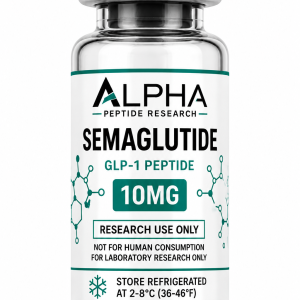 Semaglutide 10mg
1 × $100.00
Semaglutide 10mg
1 × $100.00 -
×
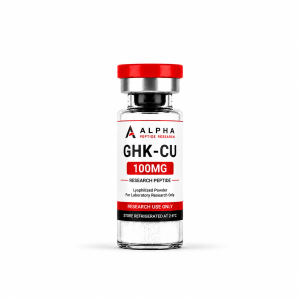 GHK-Cu 100mg
2 × $90.00
GHK-Cu 100mg
2 × $90.00 -
×
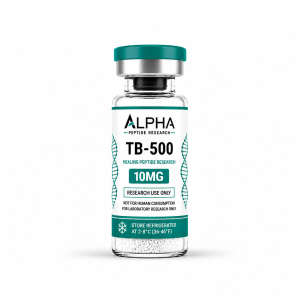 TB-500 10mg
1 × $60.00
TB-500 10mg
1 × $60.00 -
×
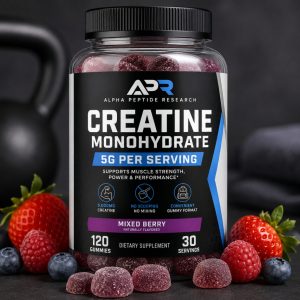 Creatine Monohydrate Gummies 5g
1 × $25.00
Creatine Monohydrate Gummies 5g
1 × $25.00 -
×
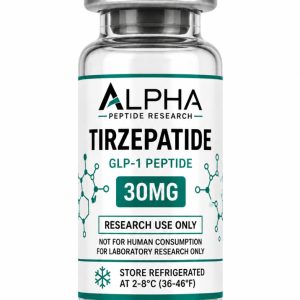 Tirzepatide 30mg
1 × $250.00
Tirzepatide 30mg
1 × $250.00 -
×
 Creatine + BCAA Gummies 5g
1 × $30.00
Creatine + BCAA Gummies 5g
1 × $30.00 -
×
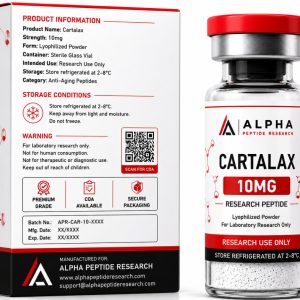 Cartalax 10mg
1 × $69.00
Cartalax 10mg
1 × $69.00 -
×
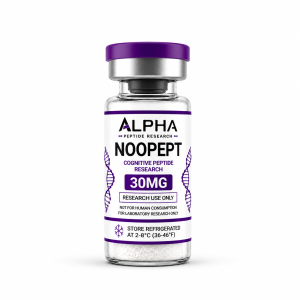 Noopept 30mg
1 × $35.00
Noopept 30mg
1 × $35.00 -
×
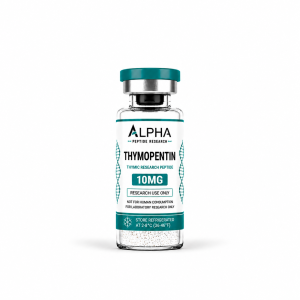 Thymopentin 10mg
1 × $100.00
Thymopentin 10mg
1 × $100.00 -
×
 Tirzepatide 15mg
1 × $90.00
Tirzepatide 15mg
1 × $90.00 -
×
 CJC-1295 No DAC 5mg
1 × $45.00
CJC-1295 No DAC 5mg
1 × $45.00
Longevity & Anti Aging
Biological Age vs Chronological Age: What Researchers Are Learning
20
Jul
Jul
Longevity science continues to reshape our understanding of the aging process. Researchers throughout the United States are increasingly studying how biological systems influence healthy aging, cellular health, and overall wellness.
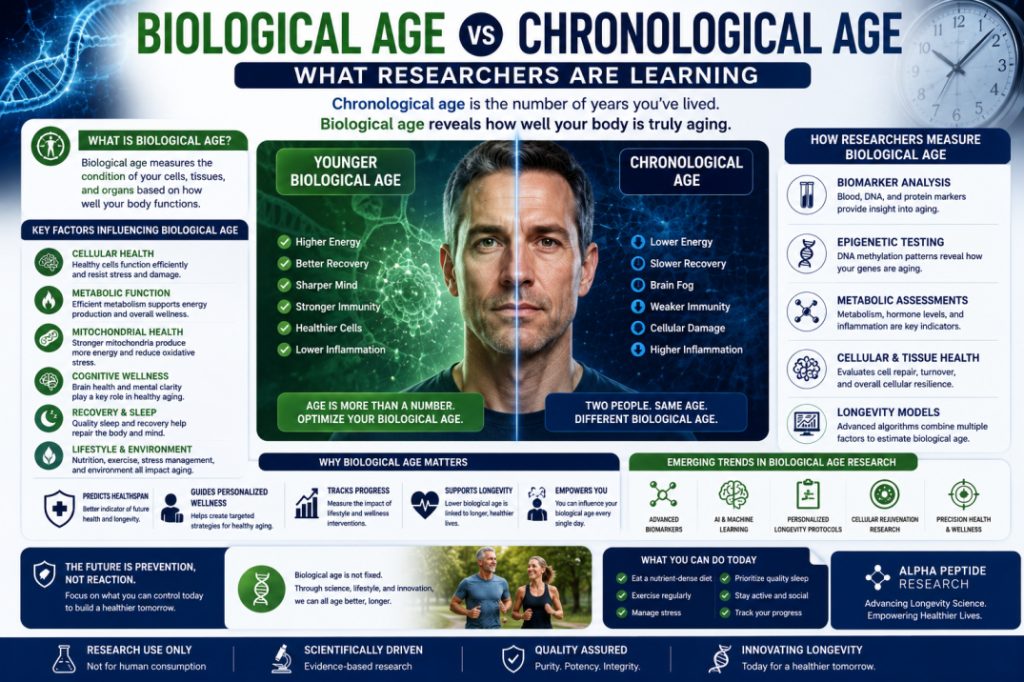
One of the most important concepts emerging from longevity research is the distinction between biological age and chronological age. While chronological age measures the number of years an individual has lived, biological age reflects how efficiently the body’s biological systems are functioning.
Modern biotechnology has enabled researchers to investigate aging more precisely than ever before. Scientific discoveries surrounding cellular health, biomarkers, and healthy aging continue to improve our understanding of how biological age influences overall wellness.
This article explores what researchers are learning about biological age and why it has become one of the most significant topics in modern longevity science.
What Is Chronological Age?
Chronological age is simply the number of years that have passed since an individual’s birth. It remains the most commonly used measure of aging throughout society.
Although chronological age provides useful information, researchers recognize that individuals often age differently despite being the same age.
Scientists have observed that:
- Some individuals maintain exceptional physical wellness as they age.
- Others experience age related biological changes earlier in life.
- Lifestyle and biological factors significantly influence overall wellness.
These observations have accelerated scientific interest in biological age research.
What Is Biological Age?
Biological age measures how well biological systems are functioning compared with chronological age. Researchers use scientific methods to investigate factors that influence cellular health and healthy aging.
Areas frequently studied include:
- Cellular health
- Metabolic function
- Mitochondrial health
- Cognitive wellness
- Recovery science
- Sleep quality
- Biomarker research
- Healthy aging science
Biological age has become one of the most important concepts within longevity science.
Why Biological Age Matters
Researchers continue to investigate how biological age influences healthspan and overall wellness.
Scientific discussions frequently focus on:
Cellular Health
Healthy cells support normal biological function throughout the body.
Metabolic Wellness
Metabolic processes play an important role in healthy aging research.
Cognitive Longevity
Brain health remains an essential component of longevity science.
Recovery Science
Recovery mechanisms influence physical and cognitive wellness throughout life.
Human Performance
Researchers continue to study how biological systems contribute to optimal performance and healthy aging.
How Researchers Measure Biological Age
Modern biotechnology has introduced several methods used in biological age research.
Scientists continue to investigate:
- Biomarker analysis
- Cellular health indicators
- Metabolic wellness assessments
- Longevity research models
- Healthy aging studies
Advances in scientific research continue to improve our understanding of biological aging.
Biological Age and Longevity Science
Biological age has become central to healthy aging and longevity research.
Researchers are increasingly exploring:
- Healthspan optimization
- Longevity biotechnology
- Human performance science
- Cellular resilience
- Metabolic health
- Cognitive wellness
Scientific discoveries continue to influence how researchers approach healthy aging.
Emerging Trends in Biological Age Research
Several scientific trends are expected to shape biological age research throughout 2026.
Healthspan Optimization
Researchers continue to investigate strategies that support overall wellness and healthy aging.
Biomarker Innovation
Advancements in biotechnology are improving biological age assessments.
Cellular Health Science
Cellular biology remains one of the fastest growing areas of longevity research.
Personalized Wellness Research
Scientists are increasingly exploring individualized approaches to healthy aging science.
Longevity Biotechnology
Modern biotechnology continues to drive scientific innovation across longevity research.
Why Healthy Aging Research Is Expanding
The scientific community has become increasingly focused on understanding the biological mechanisms that influence aging.
Researchers continue to investigate:
- Cellular health
- Human performance
- Metabolic wellness
- Cognitive longevity
- Recovery science
- Healthy aging biology
These scientific advancements are shaping the future of longevity science worldwide.
The Future of Biological Age Research
Researchers expect biological age science to play an increasingly important role in longevity research over the coming decade.
Future developments may include:
- Advanced biomarker technologies
- Personalized longevity protocols
- Cellular health innovations
- Longevity biotechnology breakthroughs
- Healthy aging research advancements
The future of longevity science remains closely connected to our understanding of biological aging.
Frequently Asked Questions
What is biological age?
Biological age reflects how efficiently an individual’s biological systems are functioning compared with their chronological age.
What is chronological age?
Chronological age is the number of years an individual has lived since birth.
Why is biological age important?
Researchers continue to investigate how biological age influences healthspan and overall wellness.
What factors influence biological age?
Scientists study cellular health, metabolic wellness, recovery science, and healthy aging mechanisms.
What is healthspan?
Healthspan refers to the years an individual maintains optimal physical and cognitive wellness.
How do researchers study biological age?
Researchers investigate biomarkers, cellular health indicators, and longevity science models.
Why is biological age research growing?
Advancements in biotechnology continue to improve scientific understanding of healthy aging.
What role do biomarkers play in longevity science?
Biomarkers help researchers investigate biological processes associated with healthy aging.
What is longevity biotechnology?
Longevity biotechnology focuses on scientific innovations related to healthy aging and longevity science.
What is the future of biological age research?
Scientists expect continued advancements in biotechnology and healthy aging research to shape the future of biological age science.
Conclusion
Biological age research is transforming how scientists understand healthy aging and longevity science. Advances in biotechnology and biomarker research continue to provide valuable insights into cellular health and biological function.
The growing interest in biological age reflects the broader scientific movement toward healthspan optimization and healthy aging innovation. As new discoveries emerge throughout 2026, biological age research will remain one of the most influential areas of modern longevity science.
At Alpha Peptide Research, we remain committed to delivering accurate, research driven educational content that helps readers stay informed about the latest scientific developments in healthy aging and longevity science.
