

-
×
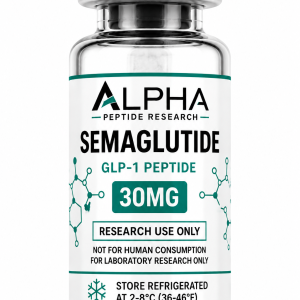 Semaglutide 30mg
1 × $100.00
Semaglutide 30mg
1 × $100.00 -
×
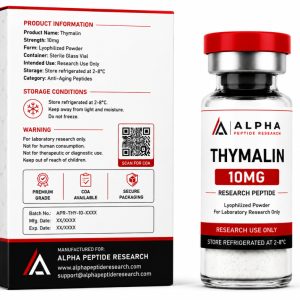 Thymalin 10mg
1 × $50.00
Thymalin 10mg
1 × $50.00 -
×
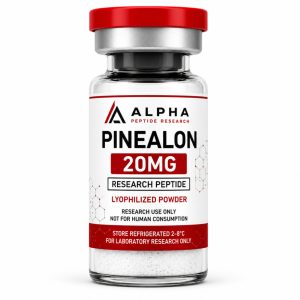 Pinealon 20mg
2 × $75.00
Pinealon 20mg
2 × $75.00 -
×
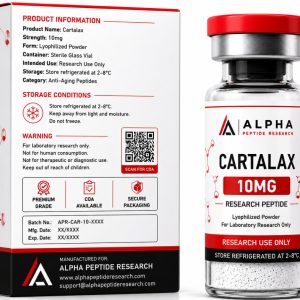 Cartalax 10mg
1 × $69.00
Cartalax 10mg
1 × $69.00 -
×
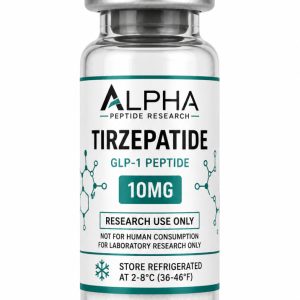 Tirzepatide 10mg
1 × $89.00
Tirzepatide 10mg
1 × $89.00 -
×
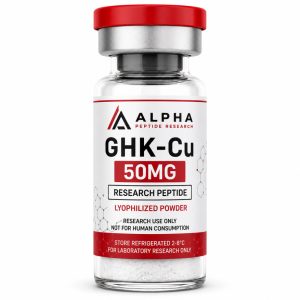 GHK-Cu 50mg
2 × $54.00
GHK-Cu 50mg
2 × $54.00 -
×
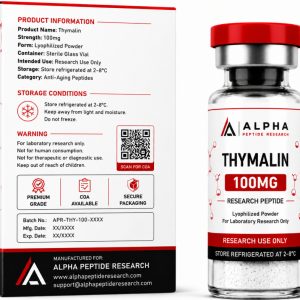 Thymalin 100mg
1 × $150.00
Thymalin 100mg
1 × $150.00 -
×
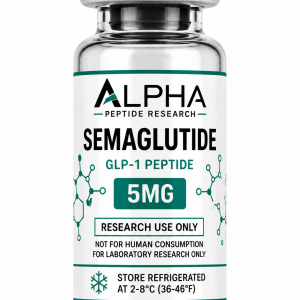 Semaglutide 5mg
1 × $50.00
Semaglutide 5mg
1 × $50.00 -
×
 Epitalon 20mg
1 × $100.00
Epitalon 20mg
1 × $100.00 -
×
 Tirzepatide 15mg
2 × $90.00
Tirzepatide 15mg
2 × $90.00 -
×
 Cartalax 50mg
1 × $70.00
Cartalax 50mg
1 × $70.00
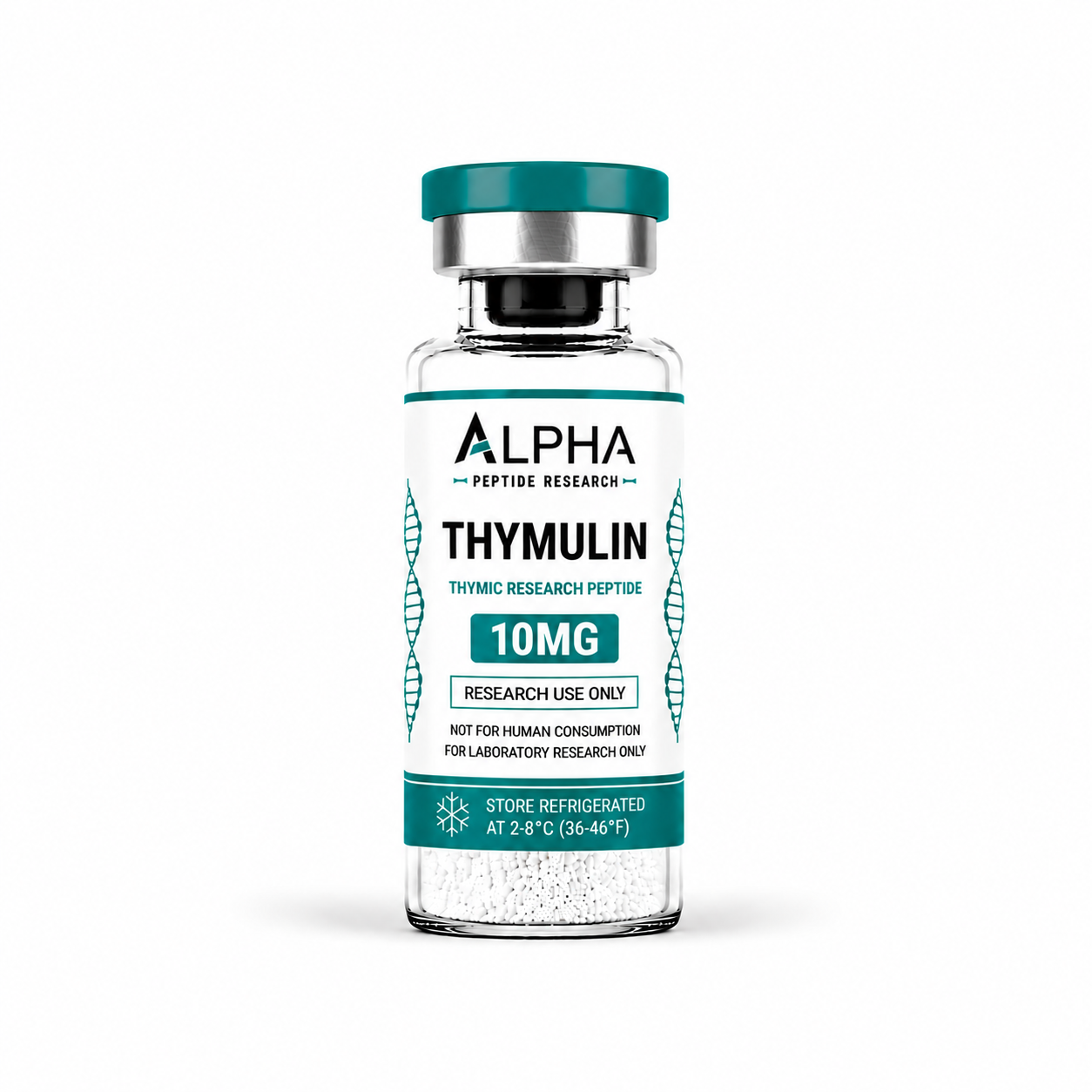
Thymulin 10mg
Thymulin 10mg is a research-grade thymic peptide supplied by Alpha Peptide Research for controlled laboratory investigation. Thymulin is a naturally occurring nonapeptide associated with thymic biology and has been studied in experimental research involving immune signaling, T-cell biology, inflammatory pathways, and neuroendocrine-immune communication. Research Use Only. Not for human consumption.
$300.00
✓
Research Use Only
✓
High Purity Standards
✓
Laboratory Tested
✓
Secure Checkout
✓
Fast & Secure Shipping
Research Use Only
Products offered by Alpha Peptide Research are intended exclusively for laboratory and scientific research. They are not intended for human consumption, therapeutic use, veterinary use, or diagnostic purposes.
Thymulin 10mg adds a naturally occurring thymic peptide to the Alpha Peptide Research Healing Peptides collection.
Thymulin is a nonapeptide associated with the thymus, an organ that plays an important role in immune-system development and regulation. Scientific research has examined Thymulin in connection with immune signaling, cellular communication, inflammatory pathways, and interactions between the nervous, endocrine, and immune systems.
Unlike many synthetic research peptides, Thymulin has a biological connection to the thymus and its regulatory environment. Researchers can therefore use it as an experimental material when investigating mechanisms associated with thymic and immune biology.
Furthermore, Thymulin has a distinctive biochemical characteristic: its biological activity is associated with a complex involving zinc. This feature has contributed to research into how trace elements can influence peptide structure and biological activity.
Consequently, Thymulin provides researchers with an interesting model for investigating relationships between peptides, trace elements, and immune-system signaling.
Alpha Peptide Research supplies Thymulin 10mg strictly for controlled laboratory research.
What Is Thymulin?
Thymulin is a small nine-amino-acid peptide, commonly described as a thymic hormone or thymic peptide.
It was originally studied as part of research into biologically active substances produced by the thymus. Over time, researchers expanded their investigation into the peptide’s relationship with immune regulation and neuroendocrine signaling.
One distinctive feature of Thymulin research is its association with zinc. The peptide is commonly discussed as a zinc-dependent thymic peptide, with zinc participating in the biologically active complex.
Therefore, studies involving Thymulin may consider both peptide characteristics and the surrounding biochemical environment.
Thymulin and Thymic Biology
The thymus is an important component of the immune system.
It provides an environment in which developing T cells undergo processes that help establish functional immune responses.
Because Thymulin is associated with thymic biology, scientists have investigated the peptide as part of broader studies of thymic function.
For example, researchers may examine Thymulin alongside other thymic factors when investigating cellular communication within immune-related experimental systems.
Additionally, studies can explore how thymic peptides interact with broader signaling networks.
These approaches help researchers examine the complex biology surrounding thymic peptides.
Thymulin and Immune Signaling
Immune regulation depends on communication among numerous cell types and signaling molecules.
Cytokines, receptors, transcription factors, peptides, and other mediators can influence cellular behavior.
Thymulin has attracted research interest because of its association with immune-system signaling.
In particular, experimental studies have examined relationships between Thymulin and immune-cell functions.
Researchers can investigate these relationships using appropriate cellular models and molecular endpoints.
Furthermore, controlled experiments allow scientists to compare Thymulin-containing conditions with suitable controls.
This approach can help distinguish peptide-associated observations from unrelated experimental effects.
Thymulin and T-Cell Research
T cells are central components of adaptive immunity.
Their development and maturation involve highly regulated biological processes, particularly within the thymus.
As a result, thymic peptides have attracted considerable interest in T-cell biology.
Researchers have investigated Thymulin in experimental contexts involving T-cell-related functions and immune regulation.
Moreover, scientists can use cellular models to examine changes in selected markers associated with immune-cell behavior.
These experiments contribute to fundamental research into thymic and immune biology.
Thymulin and Zinc
Zinc is an essential trace element involved in numerous biological processes.
Thymulin has a particularly interesting relationship with zinc because the peptide’s biologically active form is commonly described as a zinc-containing complex.
For this reason, Thymulin research can provide an experimental model for investigating interactions between trace elements and peptide biology.
Researchers may examine how zinc availability influences peptide characteristics or biological activity under controlled conditions.
However, experimental observations should be interpreted according to the specific model and formulation being studied.
The presence of zinc in a biological complex does not automatically establish a therapeutic effect.
Thymulin and Inflammatory Research
Inflammation involves a highly coordinated network of cellular and molecular signals.
Immune cells release and respond to cytokines, chemokines, and other mediators.
Thymulin has been examined within research involving inflammatory signaling.
For instance, researchers may investigate changes in inflammatory markers under controlled experimental conditions.
Additionally, scientists can evaluate relationships between Thymulin and other immune-related signaling pathways.
Because inflammatory biology is highly interconnected, researchers should evaluate multiple experimental endpoints rather than relying on a single measurement.
Thymulin and Neuroendocrine-Immune Research
The nervous, endocrine, and immune systems communicate through complex biological networks.
Researchers often describe this relationship as neuroendocrine-immune communication.
Thymulin has attracted interest within this field because of its association with thymic and immune biology.
Consequently, scientists have investigated how thymic peptides may interact with signaling processes involving endocrine and neural systems.
Experimental models can examine molecular signals, cellular responses, and changes in specific biological markers.
Furthermore, this area of research illustrates how immune regulation cannot always be studied in isolation from other physiological signaling systems.
Thymulin and Cellular Communication
Cells communicate through receptors, peptides, cytokines, hormones, and intracellular signaling pathways.
Small peptides can participate in these networks in highly specific ways.
Thymulin research provides an opportunity to investigate peptide-mediated communication within immune-related systems.
For example, researchers may examine receptor-associated signaling or changes in cellular markers following controlled experimental exposure.
Moreover, different cell types can produce different responses, making appropriate model selection important.
These experiments can help researchers develop a more detailed understanding of thymic peptide biology.
Thymulin and Immune Cell Research
Different immune-cell populations perform different biological functions.
Researchers therefore use specialized cellular models to examine immune signaling and cellular communication.
Thymulin can be incorporated into experimental systems designed to investigate immune-cell responses.
In addition, researchers may evaluate cytokine production, cell-surface markers, gene expression, or other measurable endpoints.
As a result, laboratories can investigate specific aspects of Thymulin-associated biology while maintaining appropriate experimental controls.
Thymulin and Aging Research
Thymic biology has attracted interest in research involving aging because thymic structure and activity change over the lifespan.
Scientists investigate these changes to better understand immune-system development and age-associated alterations in immune function.
Thymulin has consequently appeared in experimental research examining thymic biology and immune regulation.
However, research interest in a peptide does not establish it as an anti-aging treatment.
For Alpha Peptide Research, Thymulin should therefore be presented as a research material for studying thymic and immune biology, rather than as a product that reverses aging or treats age-related conditions.
Thymulin and Cytokine Research
Cytokines act as important communication molecules within the immune system.
They influence interactions among immune cells and contribute to inflammatory and regulatory processes.
Researchers have investigated relationships between Thymulin and cytokine-associated signaling.
For example, experimental systems can measure selected cytokines before and after controlled exposure to research materials.
Furthermore, researchers can compare multiple markers to develop a broader picture of cellular responses.
This approach provides greater context than examining a single signaling molecule in isolation.
Thymulin vs. Thymosin Alpha-1
Thymulin and Thymosin Alpha-1 are both associated with thymic research, but they are different peptides.
Thymulin is a small nine-amino-acid peptide associated with a zinc-containing active complex.
Thymosin Alpha-1, in contrast, is a 28-amino-acid peptide derived from prothymosin alpha.
Therefore, the two materials have different structures and research profiles.
Including both in the Healing Peptides collection gives researchers access to distinct experimental materials within the broader field of thymic biology.
Thymulin vs. LL-37
Thymulin and LL-37 represent different areas of peptide research.
Thymulin is associated primarily with thymic and immune regulation research, while LL-37 is a 37-amino-acid human cathelicidin extensively studied in antimicrobial and innate immune research.
Consequently, their biological origins and primary research applications differ.
Researchers should select between them according to the biological question being investigated.
Thymulin vs. KPV
Thymulin and KPV are both small research peptides, yet their research profiles differ considerably.
Thymulin is associated with thymic biology and immune-system signaling.
KPV is a tripeptide derived from alpha-melanocyte-stimulating hormone and has been investigated in experimental inflammatory and cellular models.
As a result, they provide different experimental approaches to peptide research.
Why Choose Thymulin 10mg?
Thymulin 10mg provides a specialized research material for laboratories investigating thymic and immune biology.
Key characteristics include:
- 10mg research presentation
- Nine-amino-acid peptide
- Thymic research peptide
- Zinc-associated peptide biology
- Immune signaling research
- T-cell research
- Cytokine research
- Inflammatory pathway research
- Neuroendocrine-immune research
- Cellular communication research
- Thymic biology research
- Professional laboratory presentation
- Research Use Only labeling
- Not intended for human consumption
Overall, Thymulin adds another dimension to the immune and cellular research focus of the Healing Peptides category.
Product Specifications
| Specification | Details |
|---|---|
| Product Name | Thymulin |
| Quantity | 10mg |
| Peptide Length | 9 amino-acid residues |
| Peptide Type | Thymic Peptide |
| Product Type | Research Peptide |
| Category | Healing Peptides |
| Primary Research Area | Thymic & Immune Biology |
| Additional Research Areas | T-Cell, Cytokine & Cellular Signaling Research |
| Zinc Association | Biologically active complex associated with zinc |
| Presentation | Laboratory Research Vial |
| Intended Use | Laboratory Research Only |
| Human Consumption | Not Intended |
| Brand | Alpha Peptide Research |
| Product Number | Healing Peptides #17 |
Thymulin 10mg Research Presentation
The 10mg presentation provides laboratories with a clearly identified quantity of Thymulin research material.
Depending on the research objective, appropriately characterized Thymulin may be investigated in cellular, biochemical, immunological, or other controlled experimental models.
For example, laboratories may examine immune signaling, thymic biology, cellular communication, or cytokine-associated pathways.
Furthermore, researchers can compare experimental groups with appropriate controls to investigate defined molecular or cellular endpoints.
The 10mg designation identifies the quantity of research material supplied. It does not represent a human dose or administration recommendation.
Quality and Analytical Documentation
Accurate characterization remains important when working with small research peptides.
For this reason, laboratories should review batch-specific documentation before using Thymulin 10mg.
Relevant information may include peptide identity, sequence, analytical purity, molecular characterization, quantity, and batch number.
Additionally, researchers should distinguish Thymulin from other thymic peptides when reviewing scientific literature.
Claims about exact purity should only reflect appropriate batch-specific analytical results.
Similarly, statements regarding third-party testing, manufacturing standards, or certifications should appear only when supporting documentation is available.
Ultimately, transparent analytical information helps laboratories maintain consistent research practices.
Storage and Laboratory Handling
Researchers should follow validated storage requirements for the specific Thymulin 10mg formulation and batch.
Keep the vial securely closed and protect the research material from unsuitable environmental conditions.
In addition, laboratories should maintain appropriate inventory, batch, and storage records.
Qualified personnel should handle research peptides according to established laboratory procedures.
Any specific storage temperature printed on the product label should correspond with verified documentation for the supplied formulation.
Controlled Laboratory Research
Thymulin 10mg supports controlled scientific investigation into thymic and immune biology.
Potential research areas include immune signaling, T-cell biology, cytokine pathways, cellular communication, thymic biology, and neuroendocrine-immune interactions.
For instance, researchers may compare experimental systems containing Thymulin with appropriate controls while measuring selected molecular or cellular endpoints.
Moreover, laboratories can combine cellular and biochemical methods to investigate different aspects of peptide activity.
Therefore, careful experimental design and accurate documentation remain essential for meaningful research.
Research Use Only
Alpha Peptide Research supplies Thymulin 10mg exclusively for scientific and laboratory research.
The product is not intended for human consumption, self-administration, diagnosis, therapeutic use, immune-system treatment, anti-aging treatment, or veterinary treatment.
Furthermore, Thymulin 10mg should not be marketed as a treatment for immune disorders, inflammatory diseases, aging, infections, or other medical conditions.
The 10mg designation identifies research quantity only and does not provide dosing or administration guidance.
Frequently Asked Questions
What is Thymulin 10mg?
Thymulin 10mg is a laboratory research presentation containing 10mg of Thymulin for controlled scientific investigation.
What is Thymulin?
Thymulin is a small thymic peptide commonly described as a nine-amino-acid peptide associated with thymic biology.
How many amino acids does Thymulin contain?
Thymulin is commonly described as containing nine amino-acid residues.
Why is zinc associated with Thymulin?
The biologically active form of Thymulin is commonly described as a peptide-zinc complex. Researchers therefore study the relationship between Thymulin and zinc-dependent peptide activity.
What do scientists study Thymulin for?
Researchers investigate Thymulin in areas including thymic biology, immune signaling, T-cell research, cytokine pathways, cellular communication, and neuroendocrine-immune interactions.
Is Thymulin studied in immune research?
Yes. Thymulin has been investigated in experimental research involving immune regulation and cellular signaling.
Is Thymulin studied in T-cell research?
Yes. Because the thymus plays an important role in T-cell development, Thymulin has been examined within broader thymic and T-cell research.
Is Thymulin the same as Thymosin Alpha-1?
No. They are different peptides with different molecular structures and research profiles.
Is Thymulin the same as LL-37?
No. LL-37 is a human cathelicidin antimicrobial peptide, whereas Thymulin is associated primarily with thymic biology and immune regulation.
Is Thymulin studied in inflammatory research?
Yes. Researchers have investigated Thymulin in experimental models involving inflammatory and immune signaling.
Is Thymulin studied in aging research?
Thymulin has appeared in research involving thymic biology and age-associated changes in immune function. However, this does not establish it as an anti-aging treatment.
What does 10mg mean?
The 10mg designation identifies the quantity of research material supplied in the vial. Importantly, it does not represent a recommended dose.
Can Thymulin 10mg be used by humans?
No. The product is supplied strictly for laboratory research and is not intended for human consumption or self-administration.
What research category does Thymulin belong to?
Thymu,lin belongs in the Healing Peptides category on Alpha Peptide Research because of its relevance to thymic, immune, cellular, and signaling research.
Thymulin 10mg From Alpha Peptide Research
Thymulin 10mg expands the Alpha Peptide Research Healing Peptides collection with a specialized thymic research peptide.
Its association with thymic biology, immune signaling, T-cell research, cytokine pathways, and neuroendocrine-immune communication gives laboratories several areas for controlled investigation.
Furthermore, its relationship with zinc-dependent peptide biology provides an additional research dimension that distinguishes Thymulin from many other products in the collection.
Thymulin also complements Thymosin Alpha-1 without duplicating it. Although both peptides are associated with thymic research, their structures and research profiles remain distinct.
Overall, Thymulin 10mg provides a clearly identified research quantity for laboratories investigating peptide-mediated immune and cellular biology.
Thymulin 10mg is for laboratory research only and is not intended for human consumption.
Be the first to review “Thymulin 10mg”
Related products
-9%
Reviews
There are no reviews yet.