

-
×
 Creatine + Adaptogen Blend Gummies 5g
2 × $35.00
Creatine + Adaptogen Blend Gummies 5g
2 × $35.00 -
×
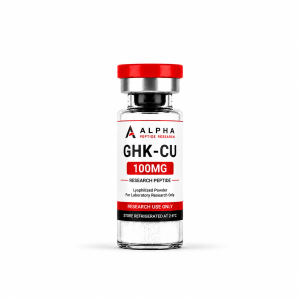 GHK-Cu 100mg
1 × $90.00
GHK-Cu 100mg
1 × $90.00 -
×
 Creatine Monohydrate Gummies 5g
1 × $50.00
Creatine Monohydrate Gummies 5g
1 × $50.00 -
×
 Creatine + Magnesium Gummies 5g
1 × $35.00
Creatine + Magnesium Gummies 5g
1 × $35.00 -
×
 Creatine + B-Vitamin Complex Gummies 5g
1 × $35.00
Creatine + B-Vitamin Complex Gummies 5g
1 × $35.00 -
×
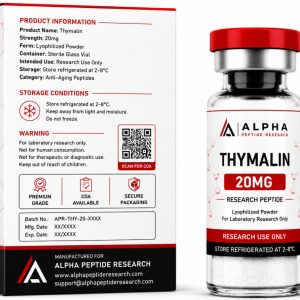 Thymalin 20mg
1 × $50.00
Thymalin 20mg
1 × $50.00 -
×
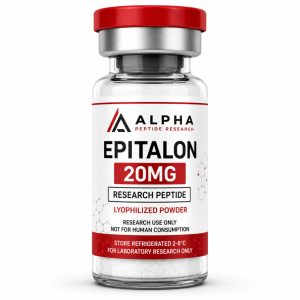 Epitalon 20mg
1 × $100.00
Epitalon 20mg
1 × $100.00 -
×
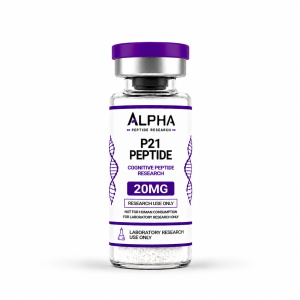 P21 Peptide 20mg
1 × $60.00
P21 Peptide 20mg
1 × $60.00 -
×
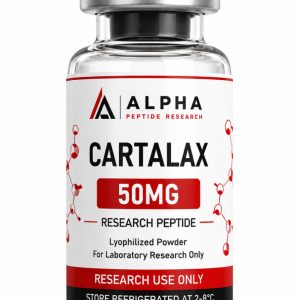
 Cartalax 10mg
1 × $69.00
Cartalax 10mg
1 × $69.00
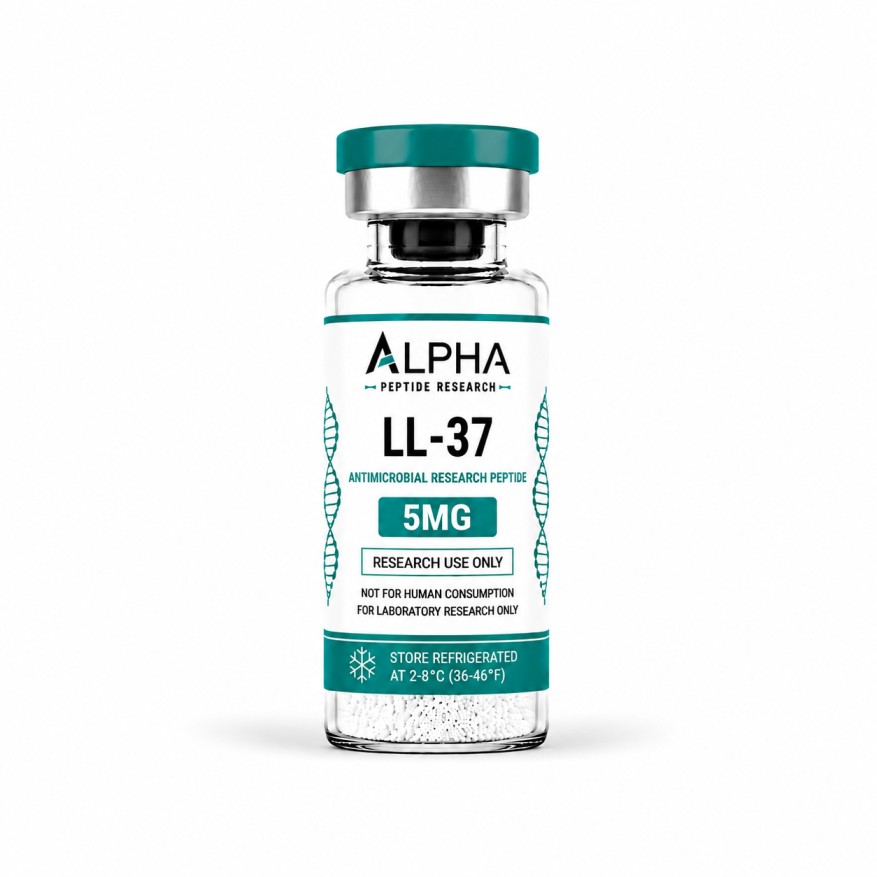
LL-37 5mg
LL-37 5mg is a research-grade human cathelicidin peptide supplied by Alpha Peptide Research for controlled laboratory investigation. LL-37 has been extensively studied in experimental models involving innate immune signaling, antimicrobial activity, cellular communication, inflammatory pathways, and tissue biology. Its role in host-defense research makes it a distinctive addition to the Healing Peptides collection. Research Use Only. Not for human consumption.
$260.00
✓
Research Use Only
✓
High Purity Standards
✓
Laboratory Tested
✓
Secure Checkout
✓
Fast & Secure Shipping
Research Use Only
Products offered by Alpha Peptide Research are intended exclusively for laboratory and scientific research. They are not intended for human consumption, therapeutic use, veterinary use, or diagnostic purposes.
LL-37 5mg introduces a well-characterized human antimicrobial peptide to the Alpha Peptide Research Healing Peptides collection.
LL-37 belongs to the cathelicidin family of antimicrobial peptides and is the active peptide derived from the human cathelicidin precursor protein hCAP18, also known as CAMP.
Unlike conventional antimicrobial agents, LL-37 forms part of the body’s innate immune defense system. Researchers study this peptide because it participates in complex interactions involving microbial membranes, immune signaling, cellular communication, and tissue biology.
Furthermore, LL-37 research extends beyond antimicrobial activity. Scientists have investigated the peptide in experimental models involving inflammatory signaling, cell migration, tissue responses, and interactions between immune and non-immune cells.
Consequently, LL-37 provides laboratories with a versatile research material for studying the relationship between innate immunity and cellular biology.
Alpha Peptide Research supplies LL-37 5mg strictly for laboratory research.
What Is LL-37?
LL-37 is a 37-amino-acid cationic antimicrobial peptide derived from the human cathelicidin precursor hCAP18.
The name “LL-37” refers to the peptide’s two leucine residues at its N-terminal end and its 37-amino-acid length.
The peptide is produced from the larger CAMP-encoded precursor through enzymatic processing. As a result, LL-37 belongs to a biological system that connects peptide processing with innate immune defense.
Researchers have investigated LL-37 extensively because it can interact with microbial components as well as mammalian cells.
In addition, LL-37 has been studied as a signaling molecule that can influence cellular responses in experimental systems.
LL-37 and Innate Immunity
The innate immune system provides an important first line of biological defense.
Unlike adaptive immune responses, innate immunity relies on mechanisms that can respond rapidly to broad categories of biological threats.
Antimicrobial peptides form one component of this defense network.
Within this system, LL-37 has attracted substantial research attention.
Scientists investigate how LL-37 interacts with microbial structures and how those interactions relate to host-defense mechanisms.
Moreover, researchers study how LL-37 interacts with immune cells and signaling pathways.
This makes LL-37 particularly useful for experiments focused on innate immune biology.
LL-37 and Antimicrobial Research
LL-37 has been investigated against a broad range of microbial models.
Its positively charged structure allows it to interact with negatively charged components associated with many microbial membranes.
Consequently, researchers have examined how LL-37 interacts with bacterial membranes and other microbial structures.
Experimental studies may evaluate membrane interactions, peptide activity, microbial responses, or molecular changes under controlled conditions.
However, laboratory antimicrobial activity should not be interpreted as evidence that LL-37 5mg is an antimicrobial medicine for human use.
The product remains a research material intended for controlled scientific investigation.
LL-37 and Cellular Signaling
LL-37 research extends beyond direct interactions with microorganisms.
Scientists have also investigated how LL-37 interacts with mammalian cells and influences cellular signaling.
For example, experimental models have examined relationships between LL-37 and receptors, signaling molecules, and cellular responses.
These interactions can vary according to the cell type and experimental environment.
Therefore, researchers should evaluate LL-37 within clearly defined experimental systems rather than assuming that the peptide produces the same response across every model.
LL-37 and Inflammatory Research
Inflammation involves numerous signaling pathways and cellular interactions.
Immune cells communicate through cytokines, chemokines, receptors, and other molecular mediators.
LL-37 has been investigated within this complex environment.
In particular, researchers have explored relationships between LL-37 and inflammatory signaling in several experimental models.
Some studies examine whether LL-37 influences the production or activity of signaling molecules.
Furthermore, researchers can evaluate these responses using appropriate cellular controls.
The complexity of inflammatory biology makes controlled experimental design especially important.
LL-37 and Tissue Biology
Tissue environments contain many different cell types and signaling molecules.
Antimicrobial peptides can interact with these environments in ways that extend beyond direct microbial defense.
LL-37 has therefore attracted interest in experimental tissue biology.
Researchers have examined its relationship with cellular migration, proliferation-associated processes, vascular biology, and other tissue-related mechanisms.
Additionally, LL-37 can be studied within models designed to investigate communication between epithelial, immune, and other cell types.
These experiments may help researchers better understand how antimicrobial peptides participate in tissue biology.
LL-37 and Wound-Related Research
Wound biology involves overlapping processes including cellular migration, immune signaling, tissue remodeling, and microbial defense.
Because LL-37 participates in several of these biological areas, researchers have investigated it in experimental wound-related models.
For instance, laboratory studies may examine LL-37 in relation to cellular migration or signaling within controlled tissue models.
Moreover, researchers can evaluate how the peptide interacts with other biological factors present in tissue environments.
These findings contribute to fundamental research into tissue biology.
However, experimental wound research does not establish LL-37 5mg as a wound-healing treatment.
LL-37 and Host-Defense Research
Host defense involves coordinated activity between antimicrobial molecules, immune cells, epithelial barriers, and signaling pathways.
LL-37 sits at an interesting intersection of these systems.
As a result, scientists use LL-37 research to investigate how antimicrobial peptides can participate in both microbial defense and cellular communication.
Studies may examine peptide-microbe interactions alongside responses from mammalian cells.
In this way, LL-37 provides researchers with a useful model for exploring the interconnected nature of innate immunity.
LL-37 and Epithelial Biology
Epithelial surfaces form important physical and biological barriers.
These surfaces encounter microorganisms and environmental factors regularly.
LL-37 is expressed in several epithelial environments and has therefore attracted interest in epithelial biology research.
For example, researchers may investigate LL-37 expression, peptide activity, or cellular signaling in epithelial models.
Furthermore, experimental systems can examine relationships between LL-37 and other components of the epithelial defense network.
This research helps scientists understand how barrier tissues participate in innate immunity.
LL-37 and Immune Cell Research
Immune cells respond to a wide range of molecular signals.
LL-37 can interact with cellular systems involved in innate immune responses.
Consequently, scientists have examined the peptide in experimental models involving immune-cell signaling and communication.
Researchers may measure cytokine production, receptor activity, cellular migration, or other defined endpoints.
Additionally, comparisons among different cell types can help reveal how LL-37 responses vary according to the biological environment.
LL-37 and Cellular Migration
Cell migration is an important biological process.
Immune cells migrate toward areas requiring an immune response, while other cells move during normal tissue maintenance and remodeling.
LL-37 has been investigated in experimental models involving cellular migration.
Therefore, researchers may examine changes in cell movement after controlled exposure to the peptide.
Such experiments can involve microscopy, migration assays, molecular measurements, or other validated research techniques.
Importantly, these studies investigate cellular mechanisms and should not be presented as evidence of a therapeutic effect in humans.
Why Choose LL-37 5mg?
LL-37 provides a distinctive research profile within the Healing Peptides collection.
Key characteristics include:
- 5mg research presentation
- 37-amino-acid peptide
- Human cathelicidin research peptide
- Innate immune research
- Antimicrobial peptide research
- Cellular signaling research
- Inflammatory pathway research
- Tissue biology research
- Epithelial biology research
- Host-defense research
- Cellular migration research
- Professional laboratory presentation
- Research Use Only labeling
- Not intended for human consumption
Overall, LL-37 expands the category into antimicrobial and innate immune peptide research.
Product Specifications
| Specification | Details |
|---|---|
| Product Name | LL-37 |
| Quantity | 5mg |
| Peptide Length | 37 amino-acid residues |
| Peptide Family | Cathelicidin |
| Precursor | hCAP18 / CAMP |
| Product Type | Research Peptide |
| Category | Healing Peptides |
| Primary Research Area | Innate Immunity |
| Additional Research Areas | Antimicrobial, Cellular & Tissue Biology |
| Presentation | Laboratory Research Vial |
| Intended Use | Laboratory Research Only |
| Human Consumption | Not Intended |
| Brand | Alpha Peptide Research |
| Product Number | Healing Peptides #16 |
LL-37 5mg Research Presentation
The 5mg presentation provides laboratories with a clearly identified quantity of LL-37 research material.
Depending on the research objective, appropriately characterized LL-37 may be investigated in cellular, biochemical, microbiological, or tissue-related experimental models.
For example, laboratories may examine antimicrobial interactions, cellular signaling, innate immune responses, or tissue-associated biological pathways.
Furthermore, researchers can compare LL-37-containing conditions with suitable controls to investigate specific experimental endpoints.
The 5mg designation identifies the quantity of research material supplied. It does not represent a human dose or administration recommendation.
Quality and Analytical Documentation
Accurate peptide characterization is important for reproducible research.
For this reason, laboratories should review batch-specific documentation before using LL-37 5mg.
Relevant documentation may include peptide identity, sequence confirmation, analytical purity, molecular characterization, quantity, and batch information.
Additionally, researchers should distinguish native LL-37 from modified analogs when reviewing scientific literature or comparing experimental materials.
Alpha Peptide Research should publish exact purity percentages only when batch-specific analytical results support those values.
Similarly, claims such as third-party tested or GMP manufactured should appear only when supporting documentation is available.
Ultimately, transparent analytical information helps researchers understand the material used in their experiments.
Storage and Laboratory Handling
Researchers should follow validated storage requirements for the actual LL-37 5mg formulation and batch.
Keep the vial securely closed and protect the research material from unsuitable environmental conditions.
In addition, laboratories should maintain appropriate inventory, batch, and storage records.
Qualified personnel should handle research peptides according to established laboratory procedures.
Any specific storage temperature displayed on the product label should match verified documentation for the supplied formulation.
Controlled Laboratory Research
LL-37 5mg supports controlled investigation into innate immune and cellular biology.
Potential research areas include antimicrobial peptide activity, host-defense mechanisms, cellular signaling, inflammatory pathways, epithelial biology, tissue responses, and cellular migration.
For instance, researchers may compare experimental systems exposed to LL-37 with appropriate controls while measuring defined molecular or cellular endpoints.
Moreover, laboratories can combine microbiological and cellular models to investigate different aspects of LL-37 biology.
Therefore, careful experimental design remains essential when interpreting LL-37 research.
Research Use Only
Alpha Peptide Research supplies LL-37 5mg exclusively for scientific and laboratory research.
The product is not intended for human consumption, self-administration, diagnosis, therapeutic use, wound treatment, infection treatment, or veterinary treatment.
Furthermore, LL-37 5mg should not be marketed as an antibiotic replacement or as a treatment for infections, inflammatory diseases, wounds, or other medical conditions.
The 5mg designation describes research quantity only and does not provide dosing or administration guidance.
Frequently Asked Questions
What is LL-37 5mg?
LL-37 5mg is a laboratory research presentation containing 5mg of the human cathelicidin peptide LL-37.
What is LL-37?
LL-37 is a 37-amino-acid antimicrobial peptide derived from the human cathelicidin precursor hCAP18.
What peptide family does LL-37 belong to?
LL-37 belongs to the cathelicidin family of antimicrobial peptides.
How many amino acids does LL-37 contain?
LL-37 contains 37 amino-acid residues.
What is hCAP18?
hCAP18 is the precursor protein from which the active LL-37 peptide is produced through enzymatic processing.
What does CAMP mean?
CAMP refers to the cathelicidin antimicrobial peptide gene that encodes the hCAP18 precursor.
Why do scientists study LL-37?
Researchers investigate LL-37 in areas including innate immunity, antimicrobial activity, cellular signaling, inflammatory pathways, tissue biology, and host defense.
Is LL-37 studied in antimicrobial research?
Yes. LL-37 is extensively investigated in experimental models involving interactions with microorganisms and microbial structures.
Is LL-37 studied in immune research?
Yes. Researchers examine LL-37 in relation to innate immune signaling and interactions with immune cells.
Is LL-37 studied in tissue research?
Yes. Experimental research has examined LL-37 in several tissue-associated biological processes.
Is LL-37 studied in wound research?
Yes. Researchers have investigated LL-37 in experimental models involving wound and tissue biology. However, this does not establish the research material as a wound treatment.
Is LL-37 an antibiotic?
LL-37 is an endogenous antimicrobial peptide, not a conventional antibiotic drug.
Does LL-37 5mg treat infections?
No. The product is a research material and should not be marketed as a treatment for infections.
What does 5mg mean?
The 5mg designation identifies the total quantity of research material supplied in the vial. Importantly, it does not represent a recommended dose.
Is LL-37 5mg intended for human consumption?
No. Alpha Peptide Research supplies LL-37 5mg strictly for controlled laboratory research.
LL-37 5mg From Alpha Peptide Research
LL-37 5mg expands the Alpha Peptide Research Healing Peptides collection into the important field of antimicrobial peptide and innate immune research.
As a human cathelicidin, LL-37 has attracted substantial scientific interest across antimicrobial activity, host defense, cellular signaling, inflammatory pathways, epithelial biology, and tissue research.
Furthermore, its ability to participate in interactions involving both microbial structures and mammalian cells gives LL-37 a particularly broad research profile.
The 5mg presentation provides laboratories with a clearly identified research quantity for appropriately designed experimental work.
Overall, LL-37 adds a valuable new dimension to the Healing Peptides category while complementing the mitochondrial, thymosin, BPC-157, KPV, and other peptide materials already included in the collection.
LL-37 5mg is for laboratory research only and is not intended for human consumption.
Be the first to review “LL-37 5mg”
Related products
-17%
Reviews
There are no reviews yet.